







Door and Window Handle Materials: Zamak vs Aluminium vs ABS Plastic
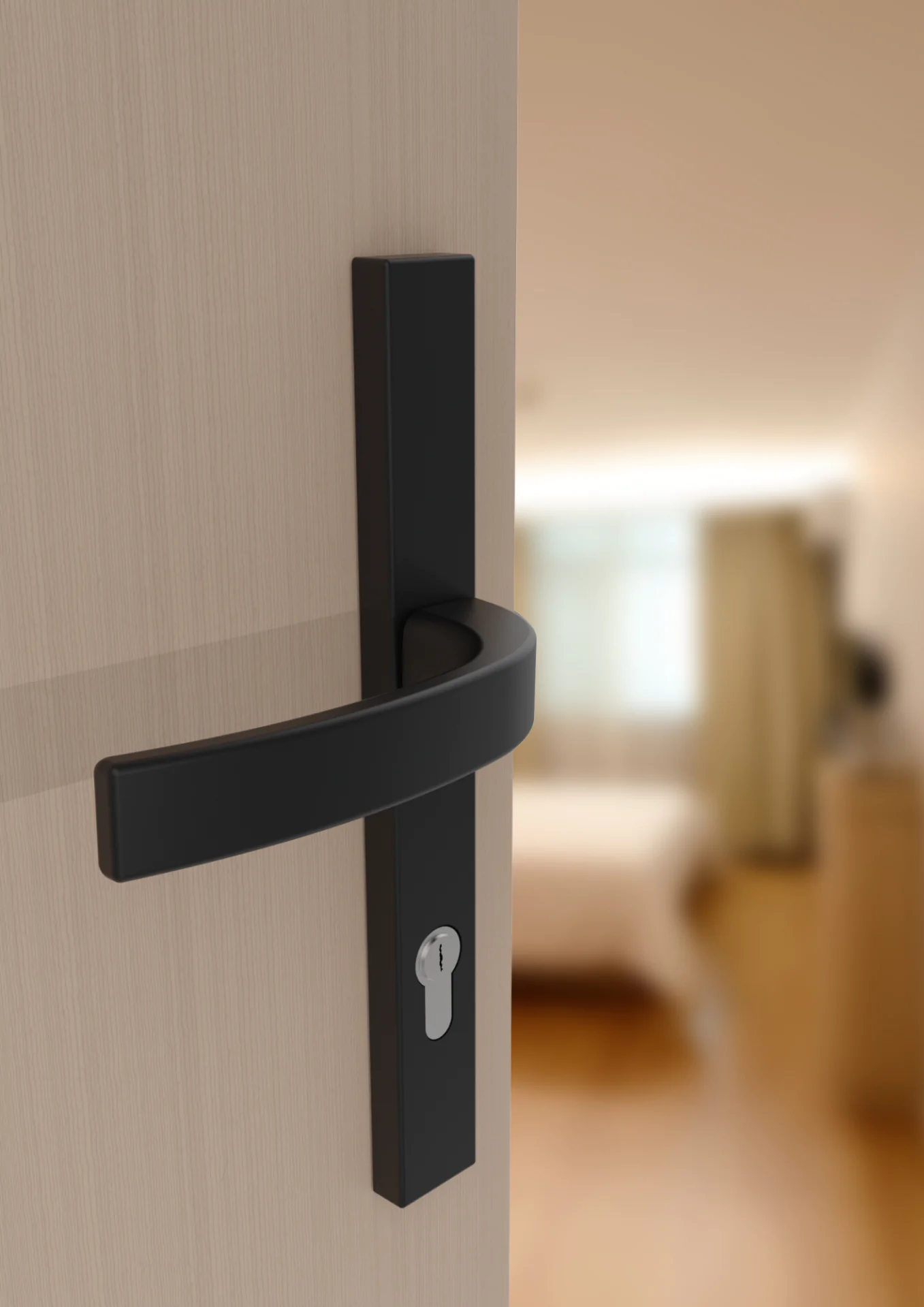
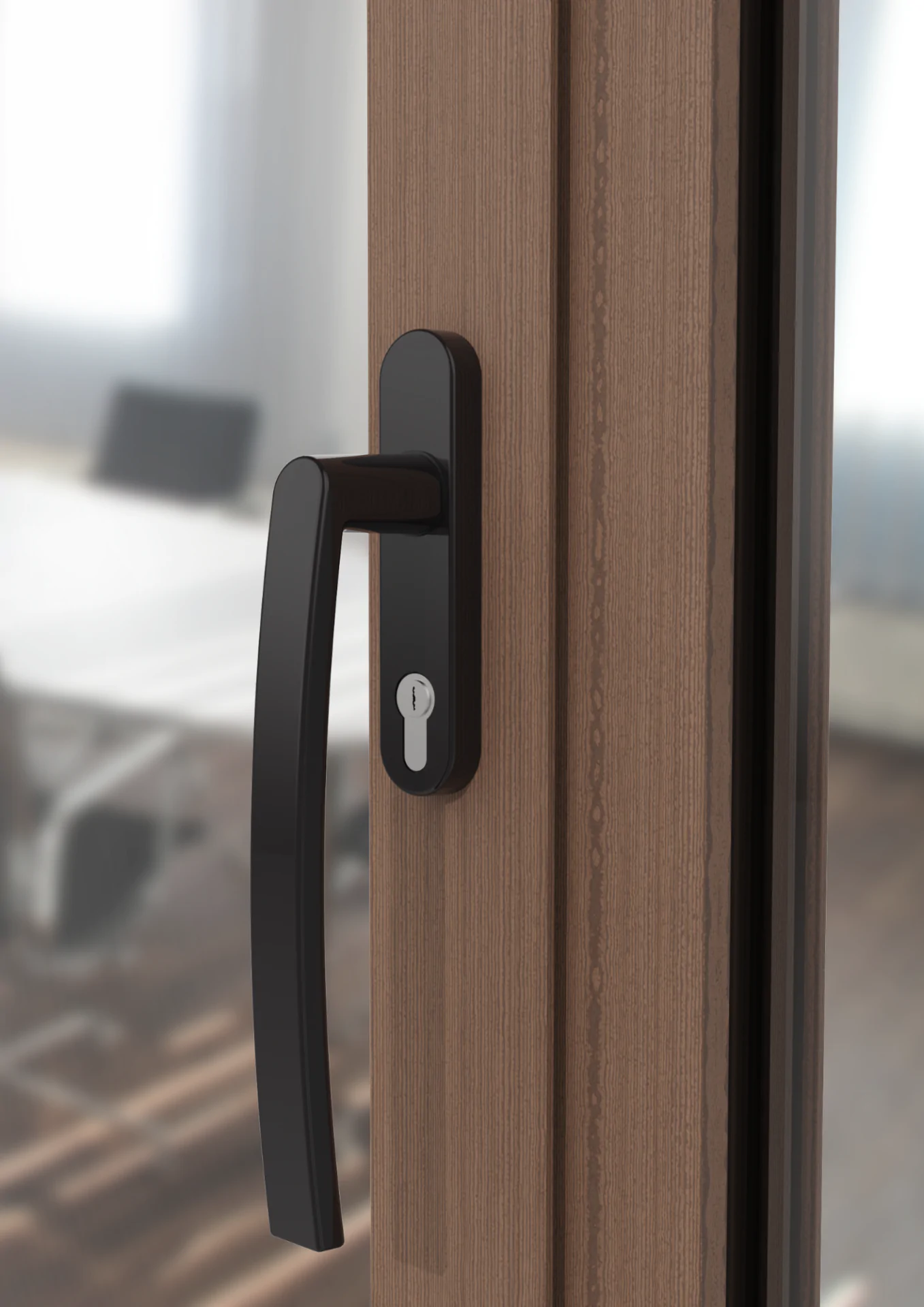
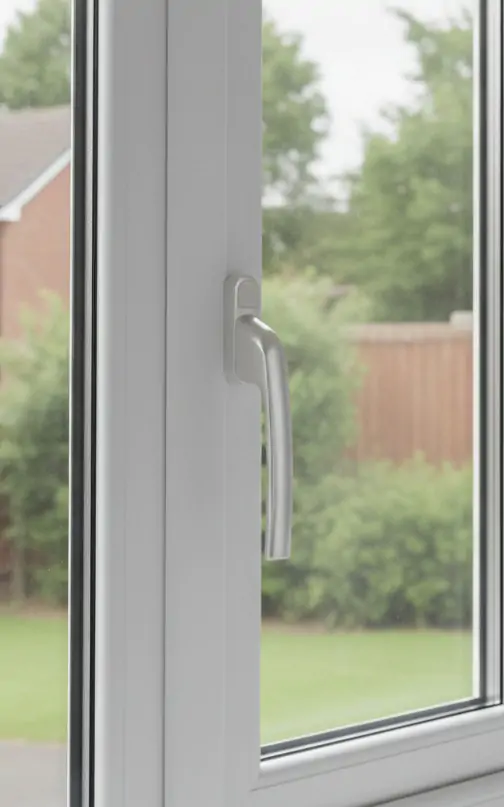
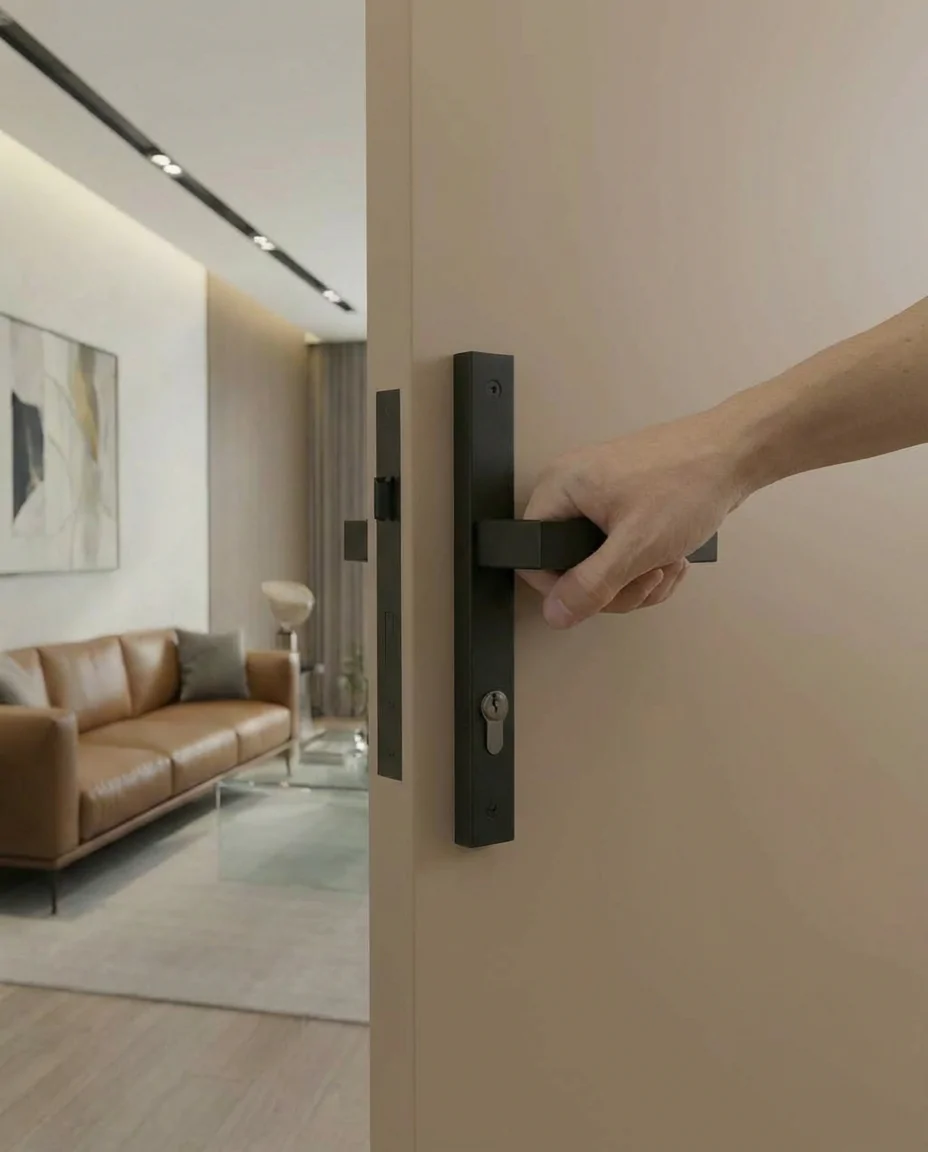
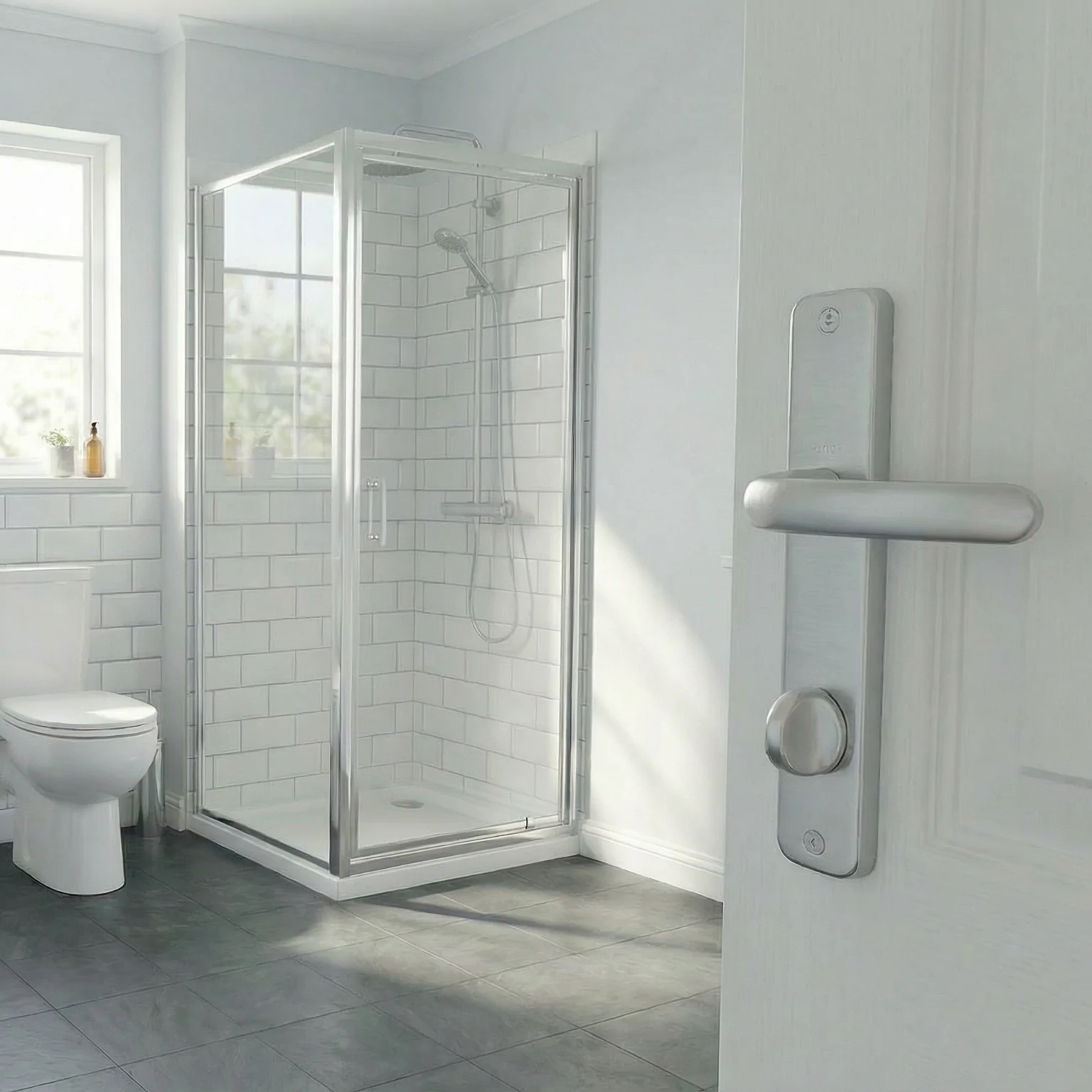
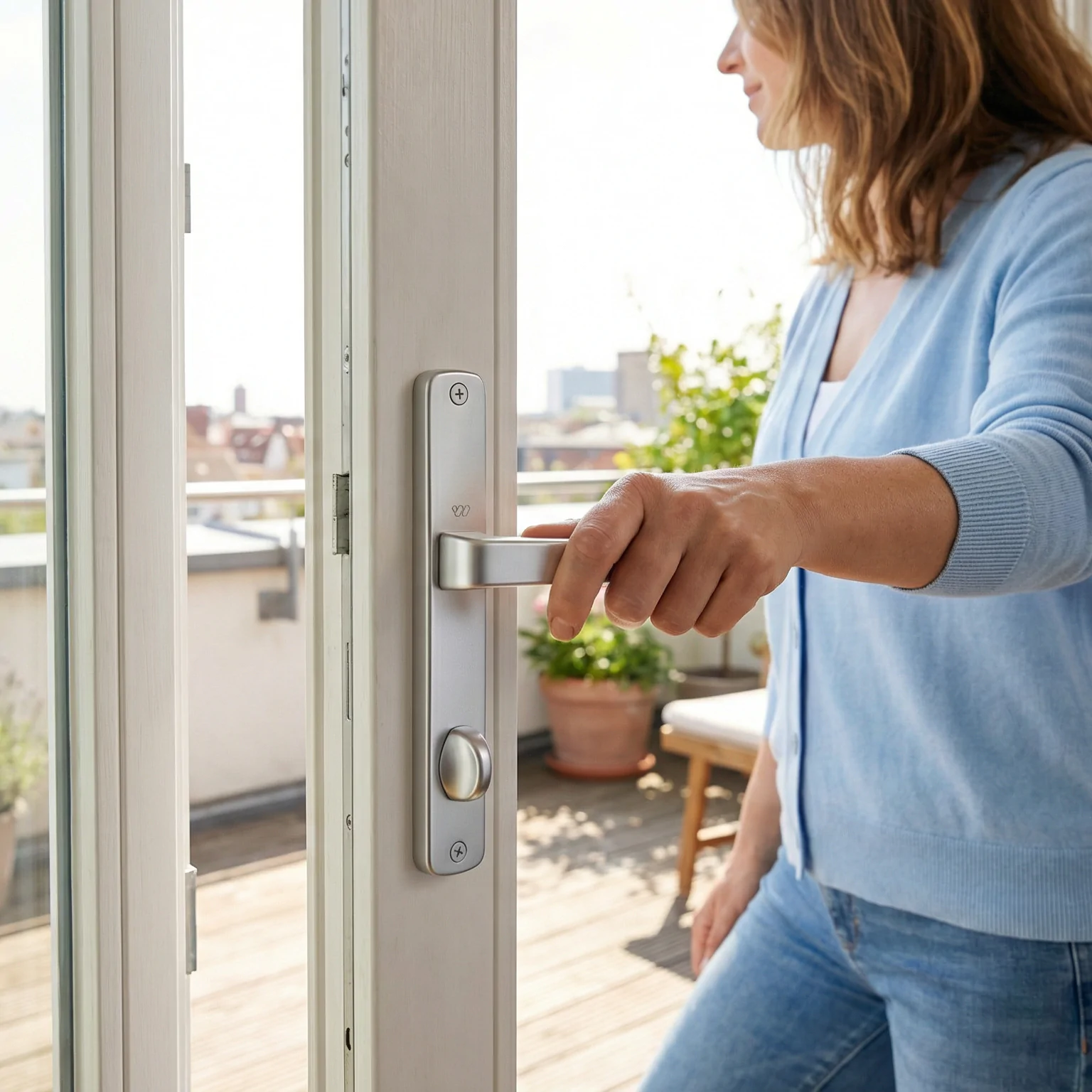
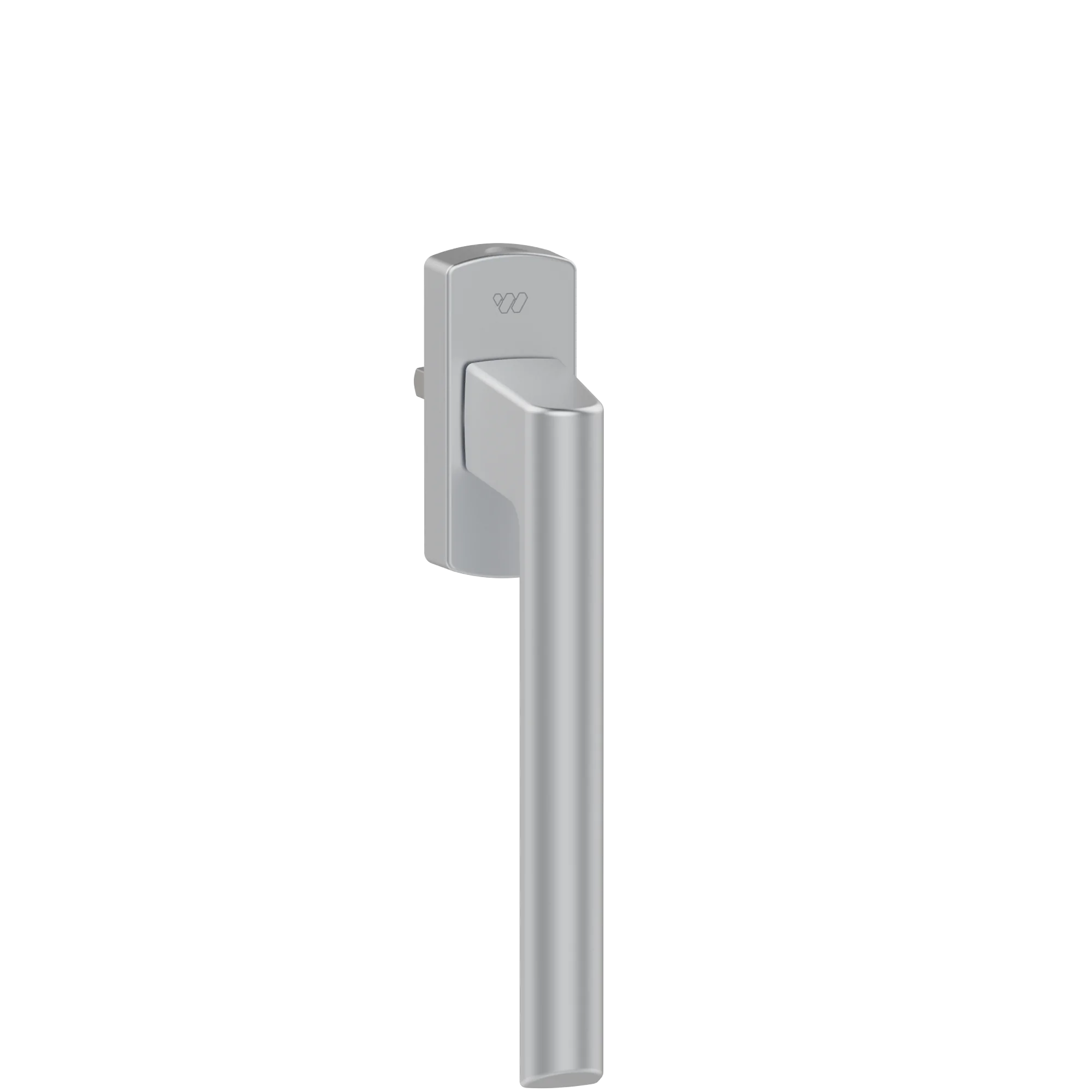
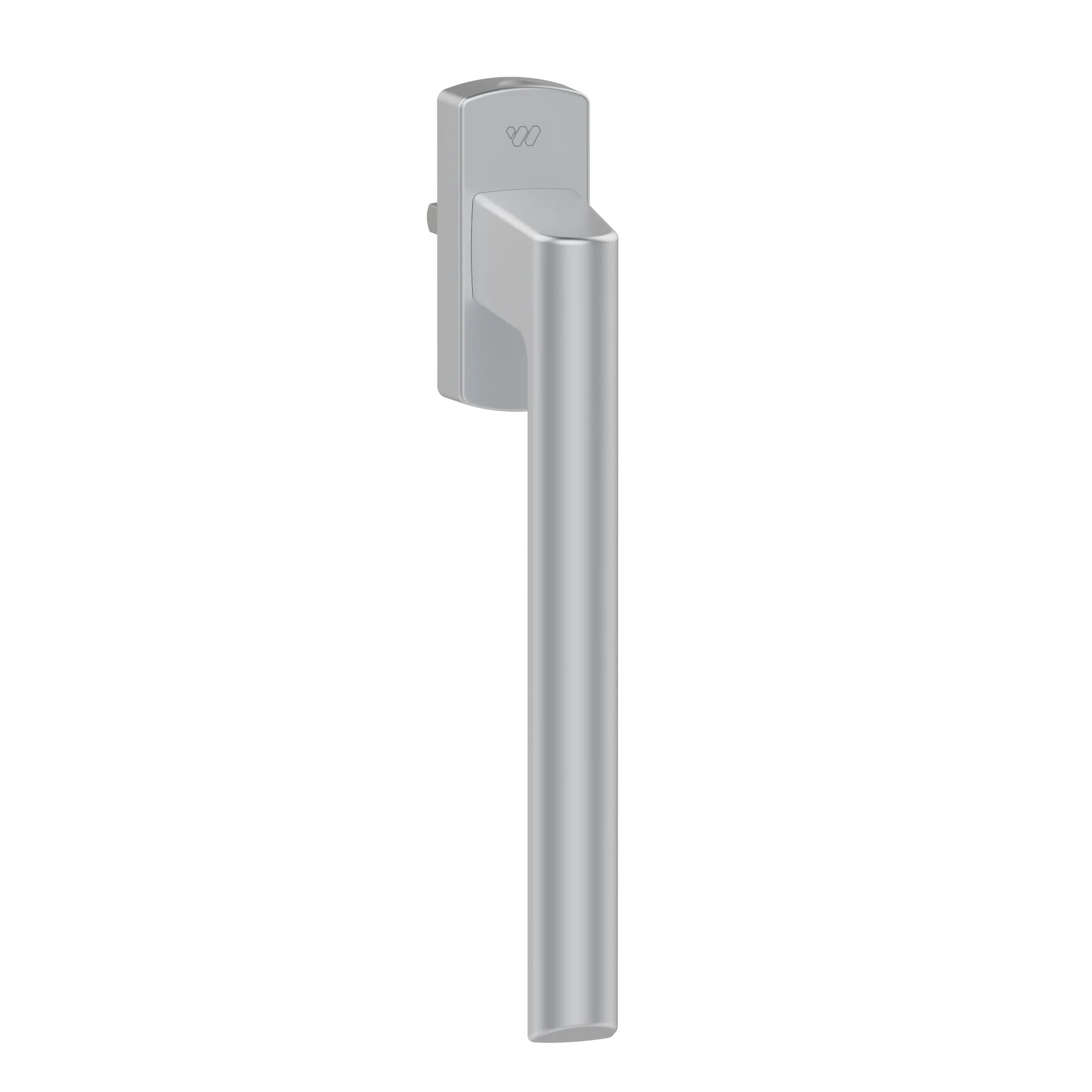
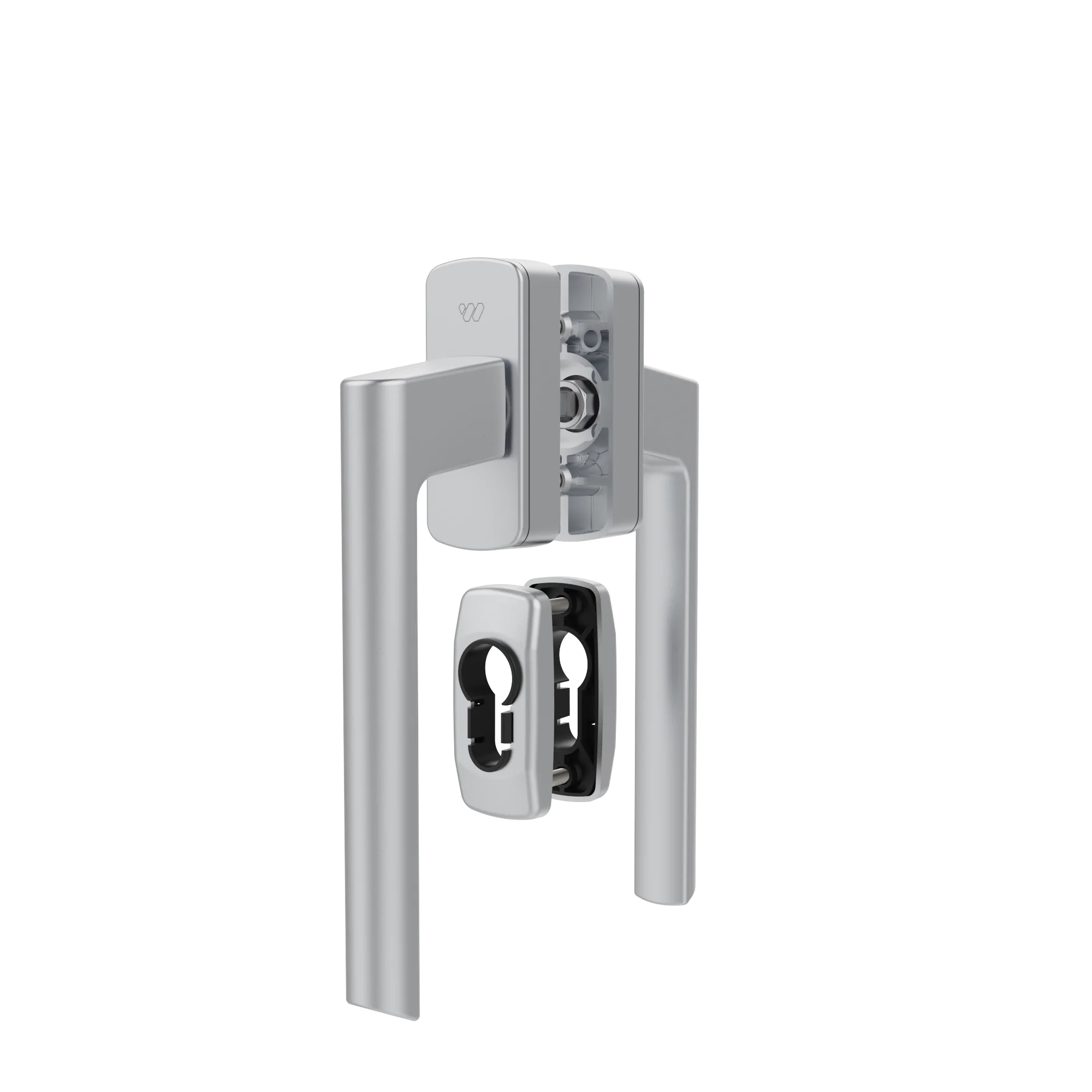
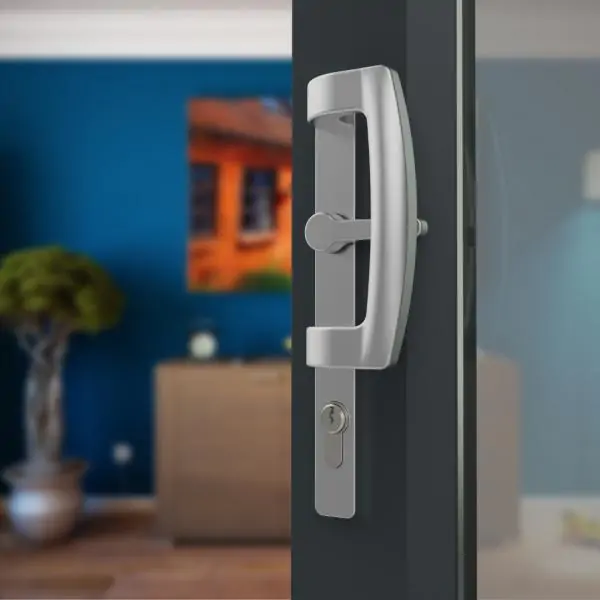
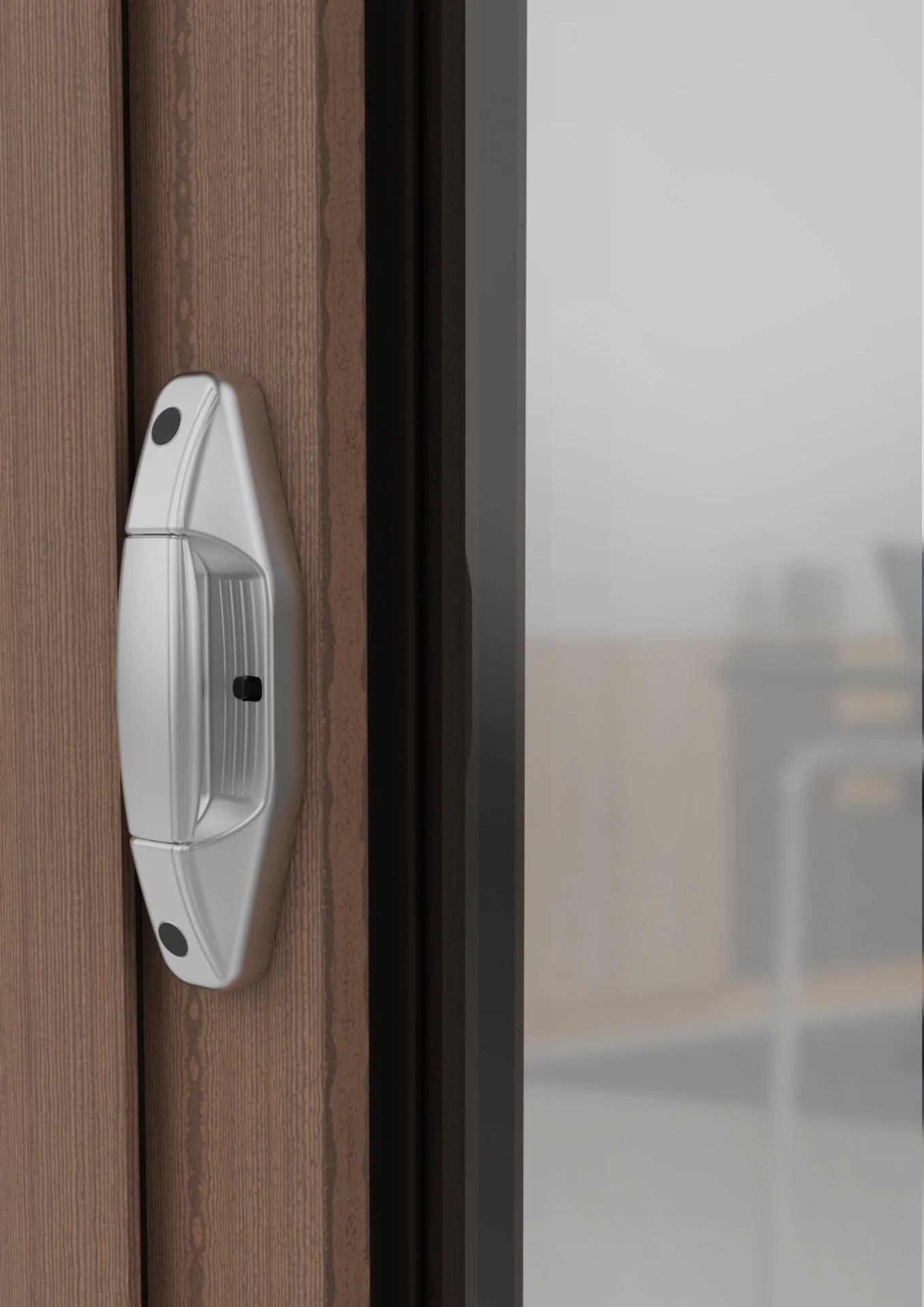
The three most common materials for door and window handles are zamak, aluminium and ABS plastic. Zamak is a zinc-based die-casting alloy that allows detailed shapes and a solid feel in the hand. Aluminium stands out for its low weight and modern look. ABS plastic is a light and economical option. The right choice depends on the application, design and budget.
What Is Zamak?
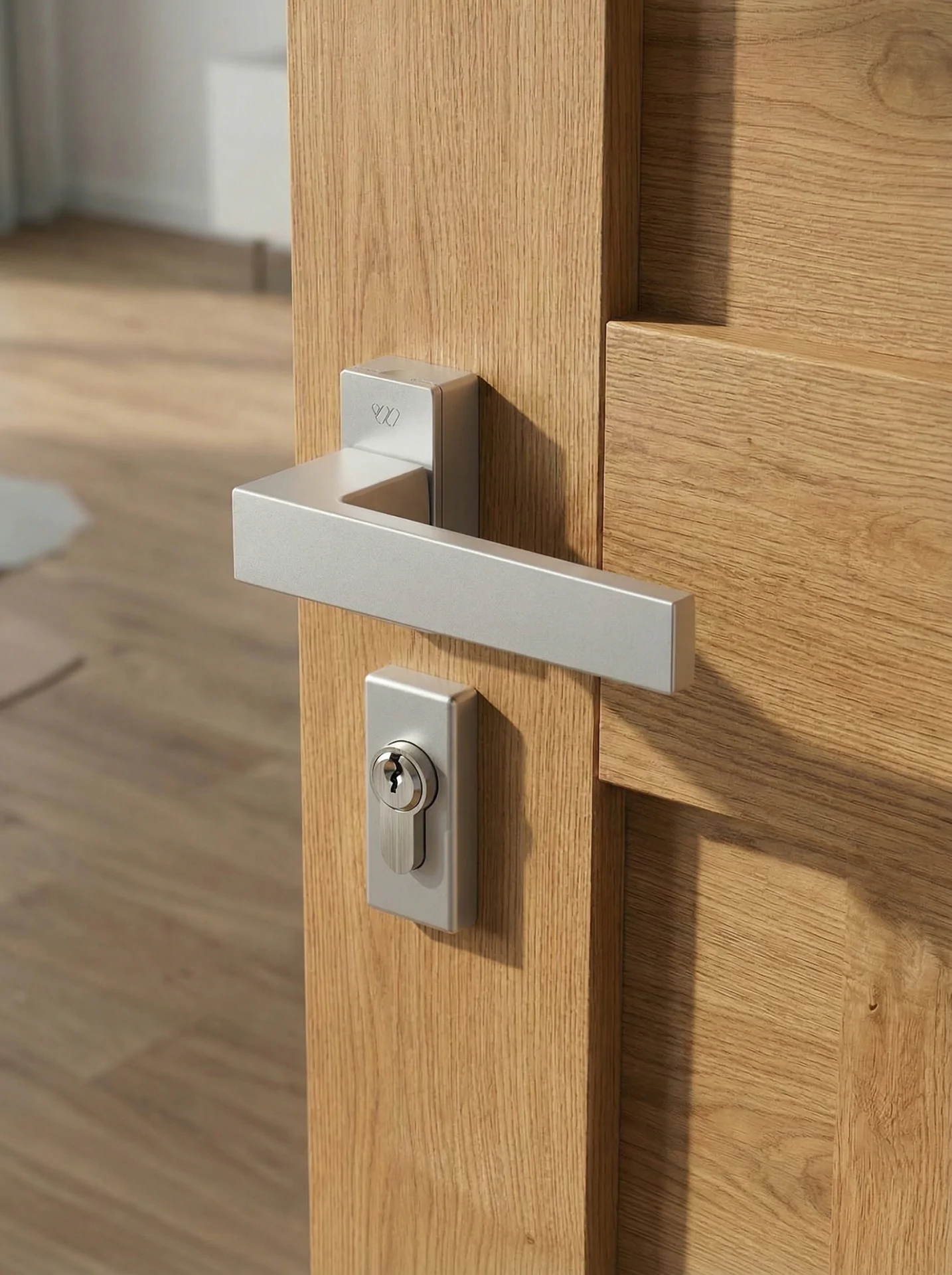
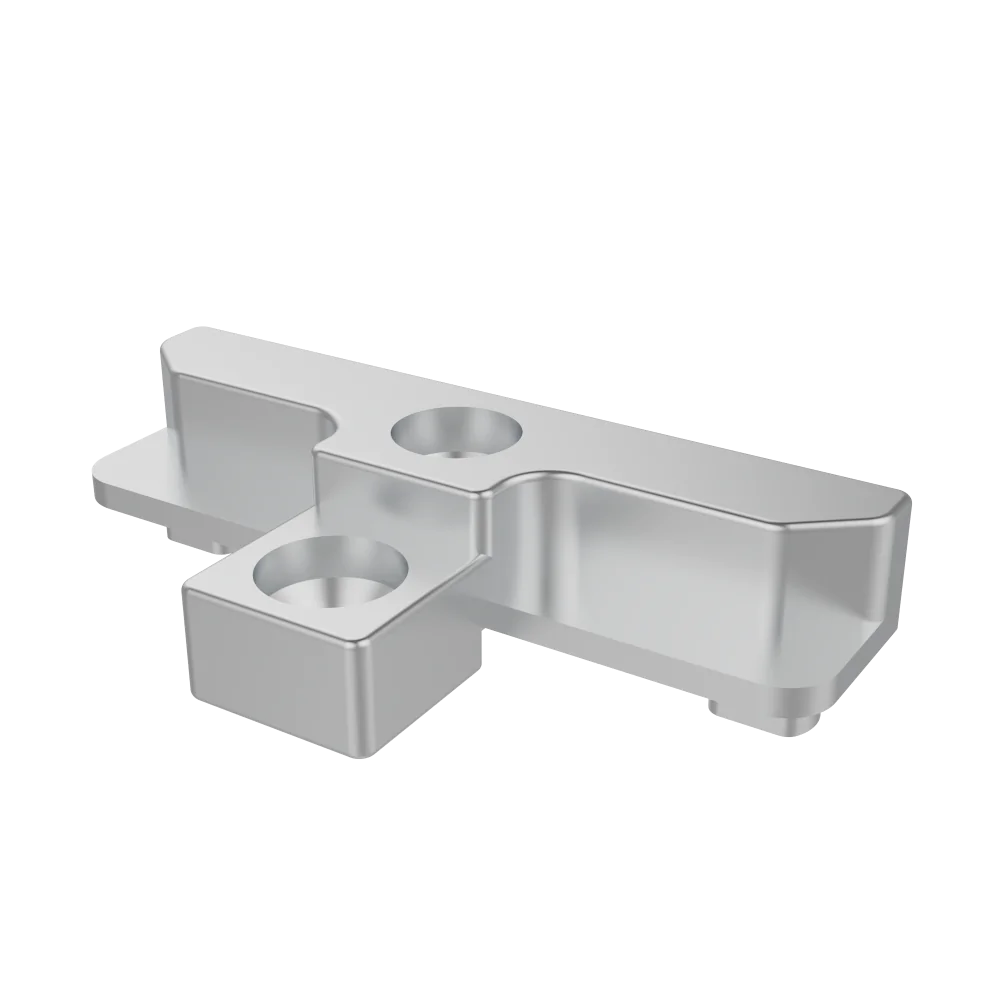
Zamak is a family of alloys consisting mainly of zinc with additions such as aluminium, magnesium and copper. The name comes from the German initials of these elements. Because it is well suited to pressure die casting, it can be formed into detailed and complex shapes. In door and window handles, zamak is generally chosen because it:
- gives designers considerable freedom of form,
- provides a solid, weighty feel in the hand,
- offers a good base for plating, painting and other surface treatments.
For these reasons zamak is widely used for door handles, window handles and many accessories with decorative details.
Aluminium: Light and Modern
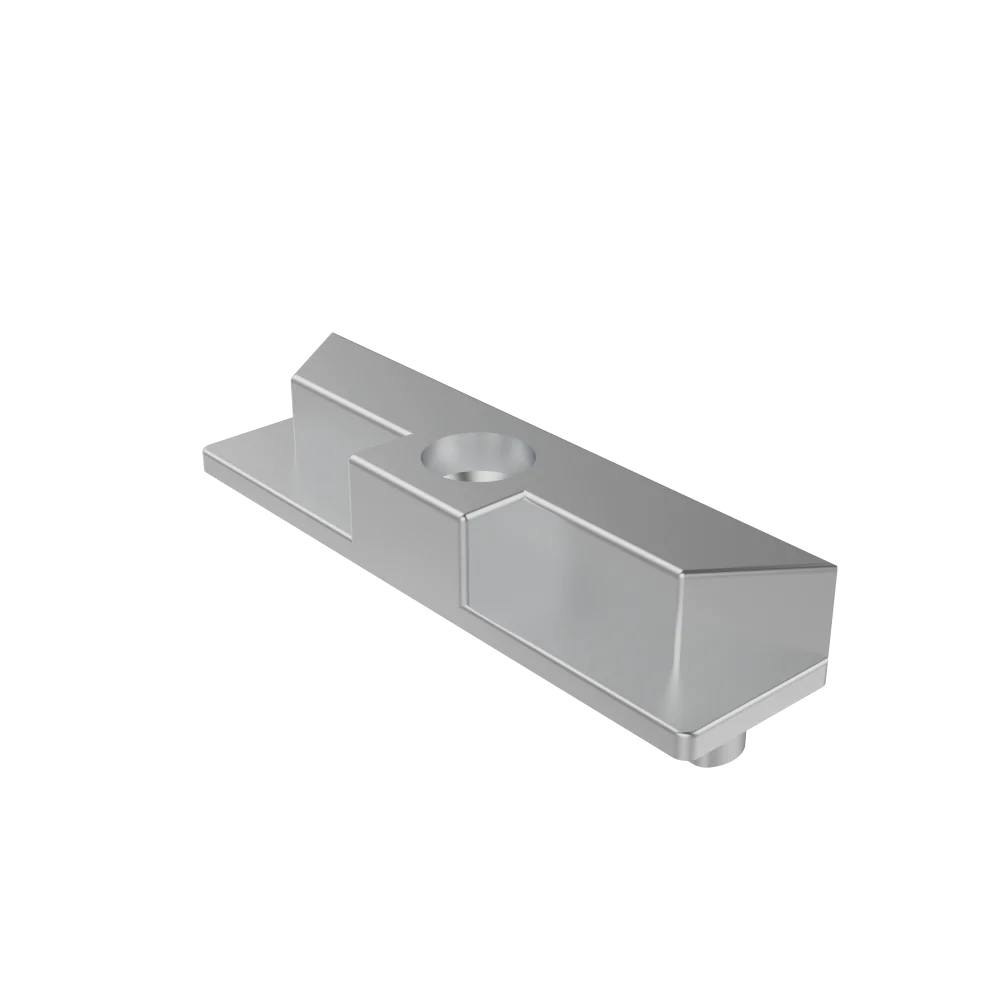
Aluminium is a light metal thanks to its low density. It can be shaped by injection or casting, and its surface can be anodised or painted for different looks. Aluminium handles are often chosen for aluminium window and door systems where visual consistency is wanted, and for clean, contemporary designs. Using the same material for profile and handle helps create a coherent façade.
ABS Plastic: Light and Economical
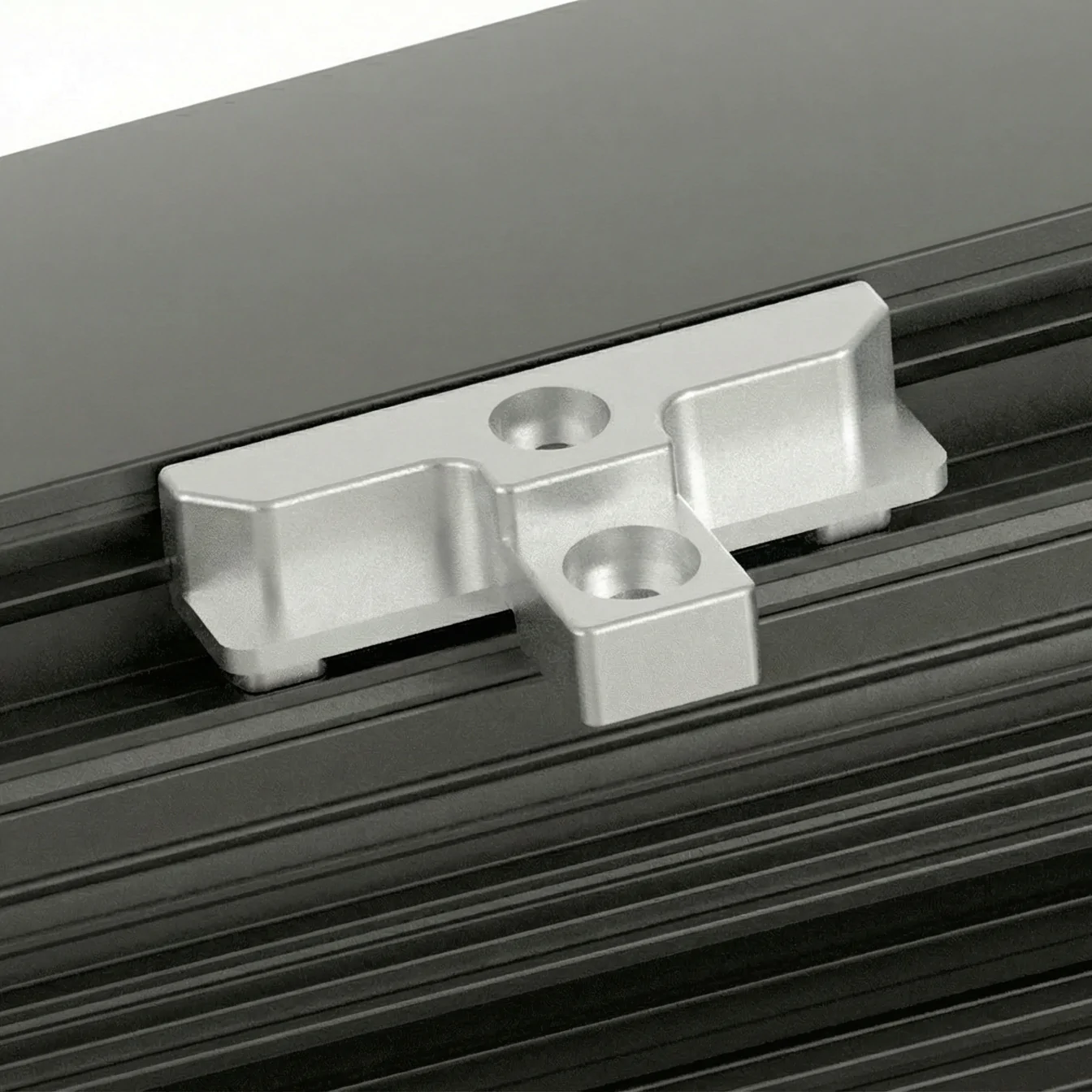
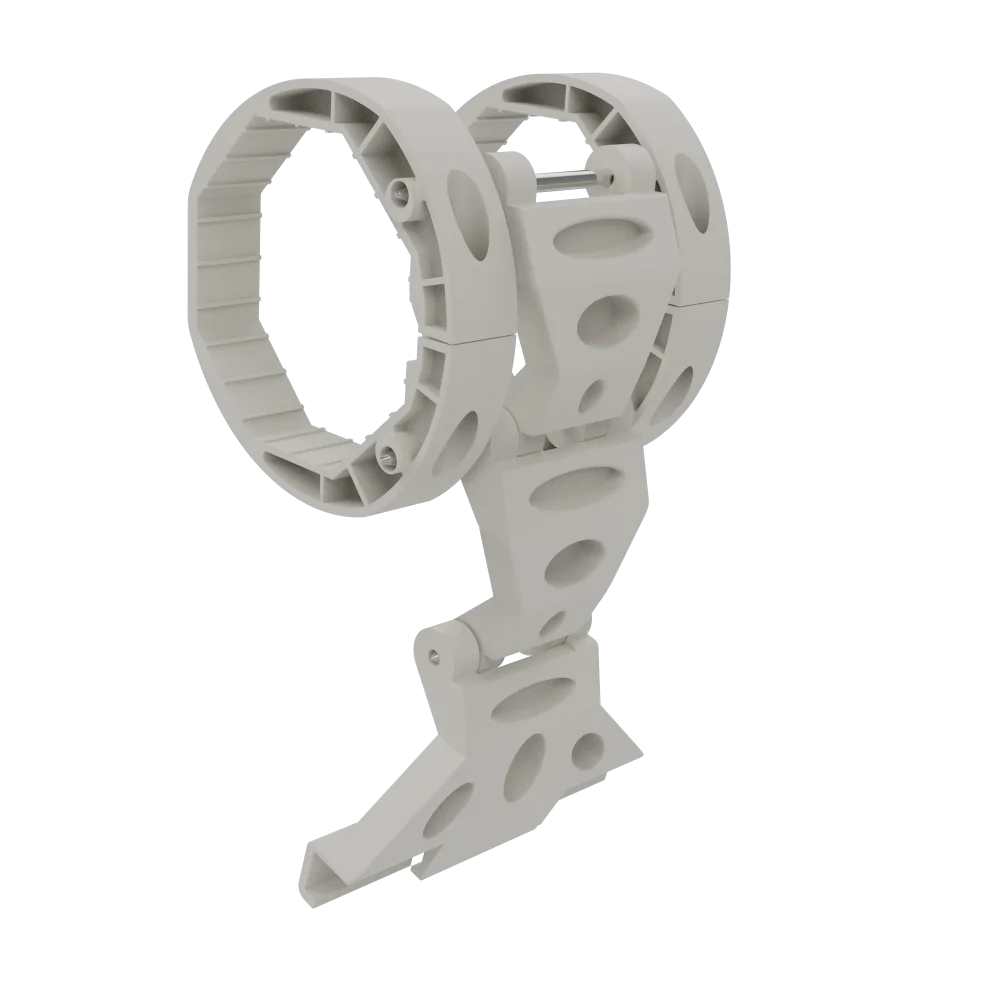
ABS (acrylonitrile butadiene styrene) is an engineering plastic that is easy to injection-mould. Because colour can be built into the material, it suits applications that need no additional painting. ABS handles are light and cost-effective, which is why they are often used in housing projects and budget-driven applications. Plastic is also used for components such as rosettes, covers and internal connecting parts. The Windoform range includes ABS window handles for this purpose.
Which Material Fits Where?
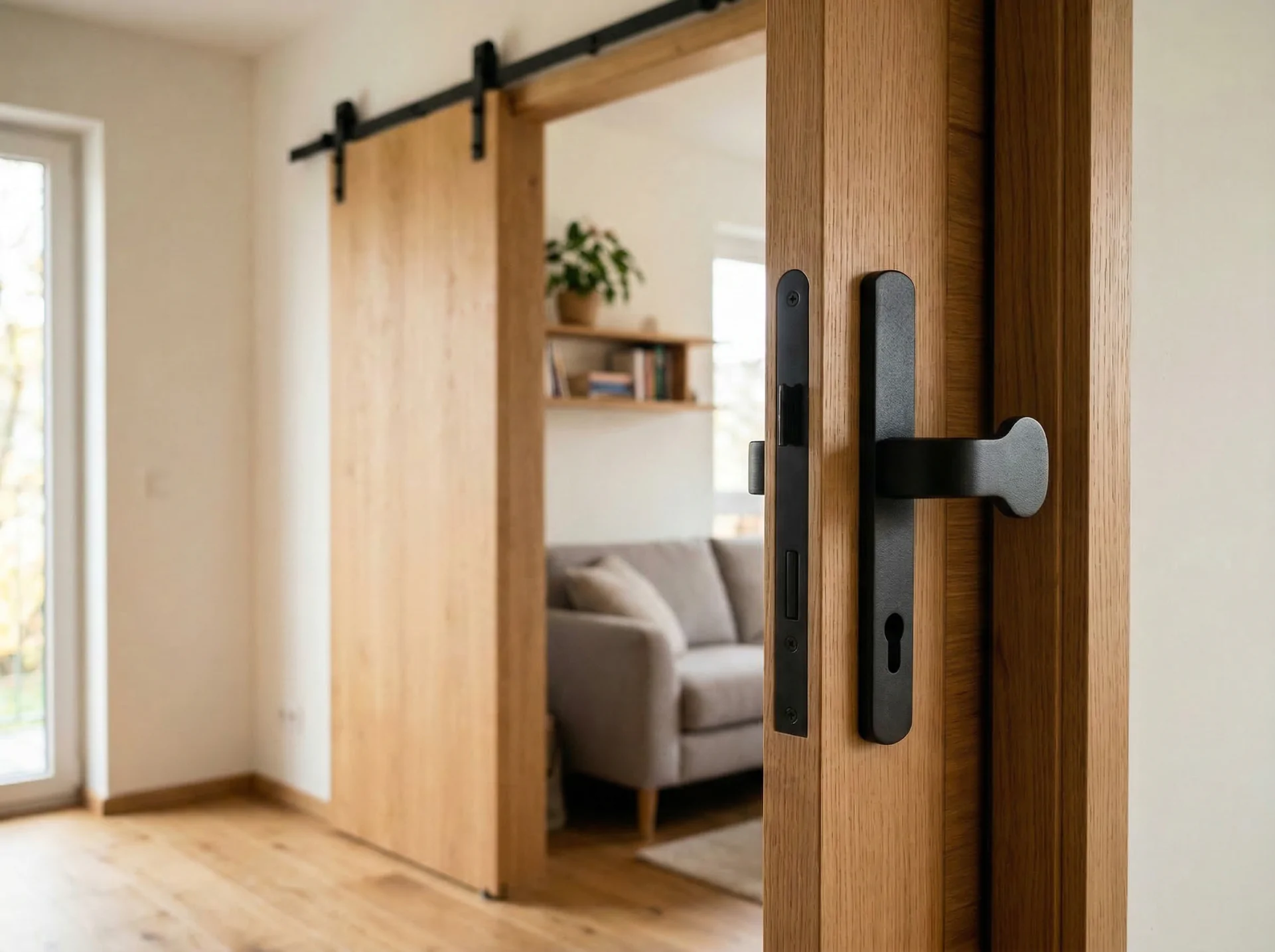
- Decorative and premium applications: where detailed form and a solid grip are wanted, zamak is usually considered.
- Aluminium joinery and minimal design: where visual harmony with the profile and low weight matter, aluminium is a natural choice.
- Budget-focused, high-volume projects: where weight and cost are priorities, ABS plastic is a sensible option.
This is a general guide. The final choice should weigh the environment, frame colour, project budget and desired look together. Finishes and colours differ for each model, so always refer to the current catalogue.
How Windoform Produces All Three Materials
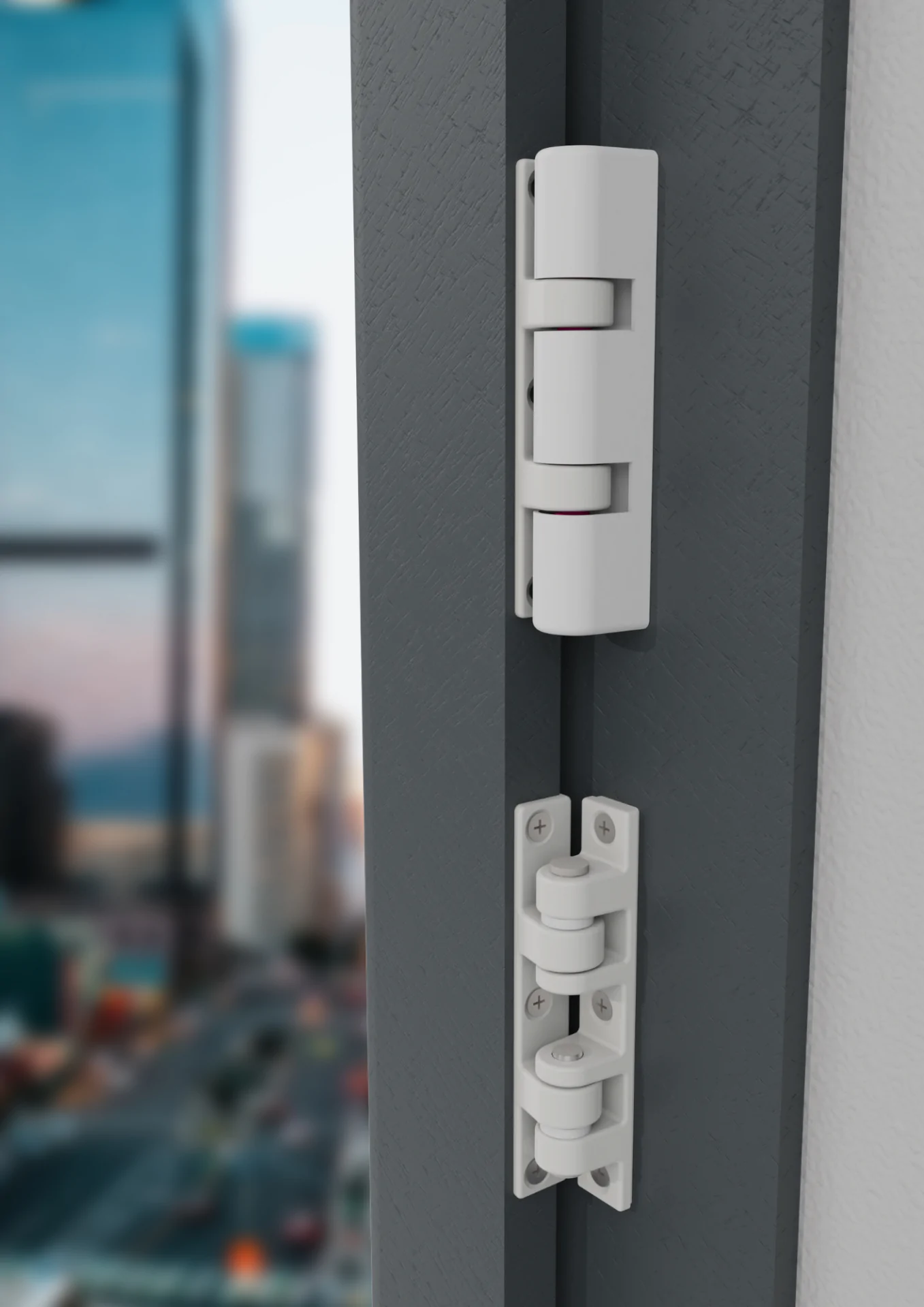
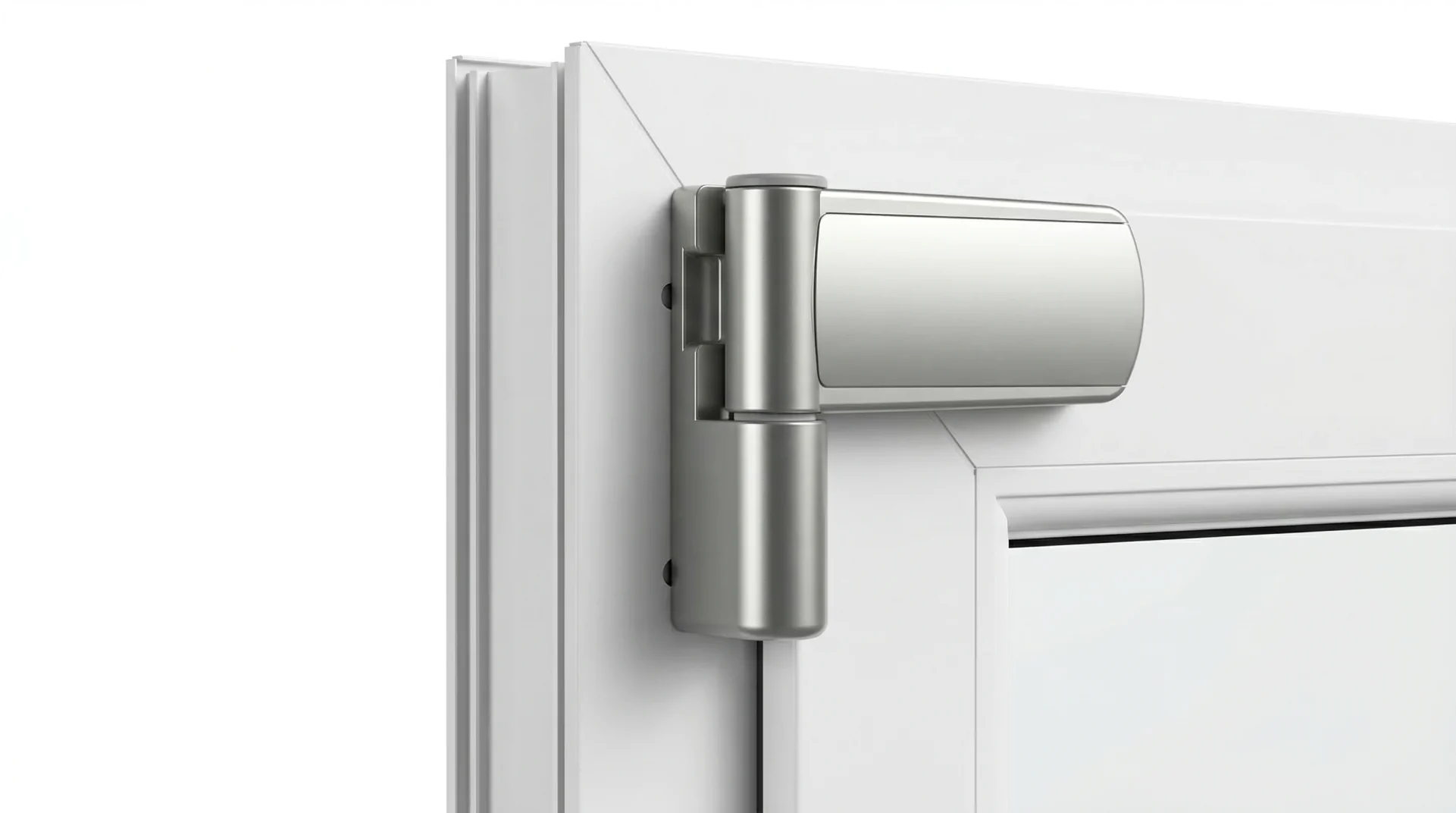
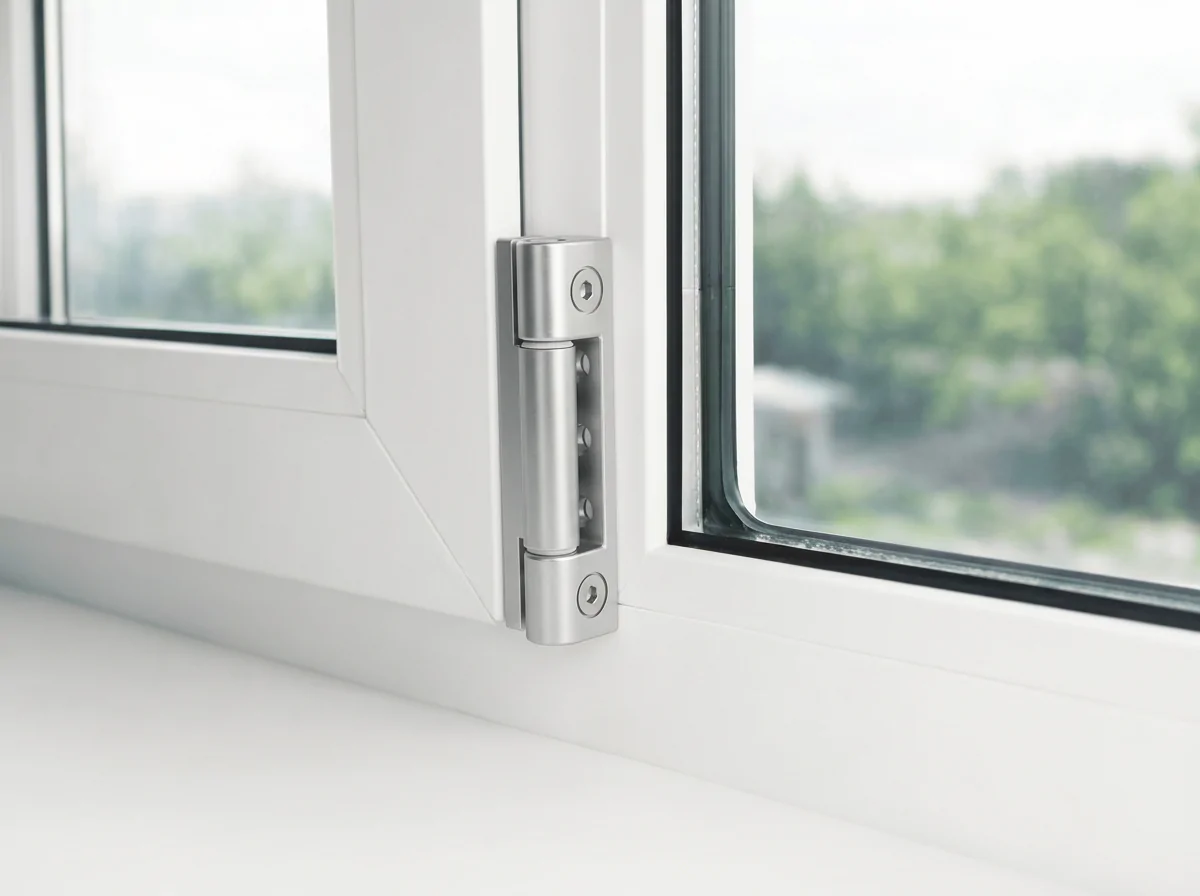
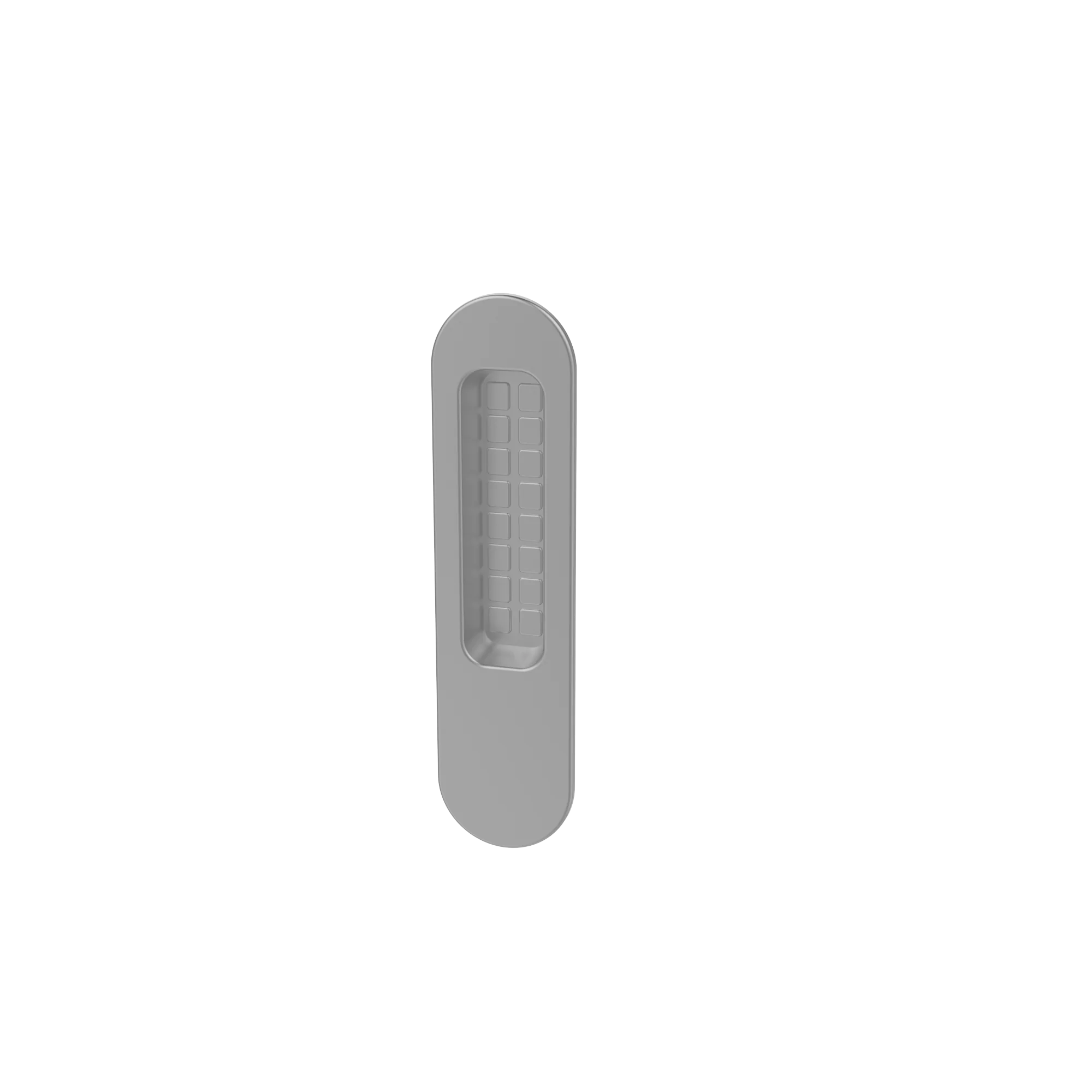
At its factory in Torbalı, İzmir, with about 17,000 m² of covered area, Windoform operates robotic zamak, plastic and aluminium injection presses in-house. Tooling and product development are handled by the in-house R&D team. This allows more than 3000 products, including window handles, door handles, sliding handles and hinges, to be produced in different materials under one roof. The company is certified to ISO 9001 and ISO 14001. Read more in our company profile.
Frequently Asked Questions
What is the main difference between a zamak and an aluminium handle?
Zamak is a zinc-based casting alloy suited to detailed shapes and a solid grip. Aluminium is lighter and is often chosen for visual harmony with aluminium window systems.
Which projects suit ABS window handles?
ABS handles are light and economical, making them a suitable option for applications such as housing projects where budget and volume are priorities.
What colours and finishes are available?
Finishes and colours depend on the material and model. You will find the current options in our catalogues.
Does Windoform make its handles itself?
Yes. Zamak, plastic and aluminium handles are produced on robotic injection lines at the Torbalı factory, supported by in-house R&D.
Browse all materials and models in the Windoform catalogues. Registered dealers can order via b2b.windoform.com. To discuss the right material for your project, call +90 232 854 70 00 or email info@windoform.com.tr.


