





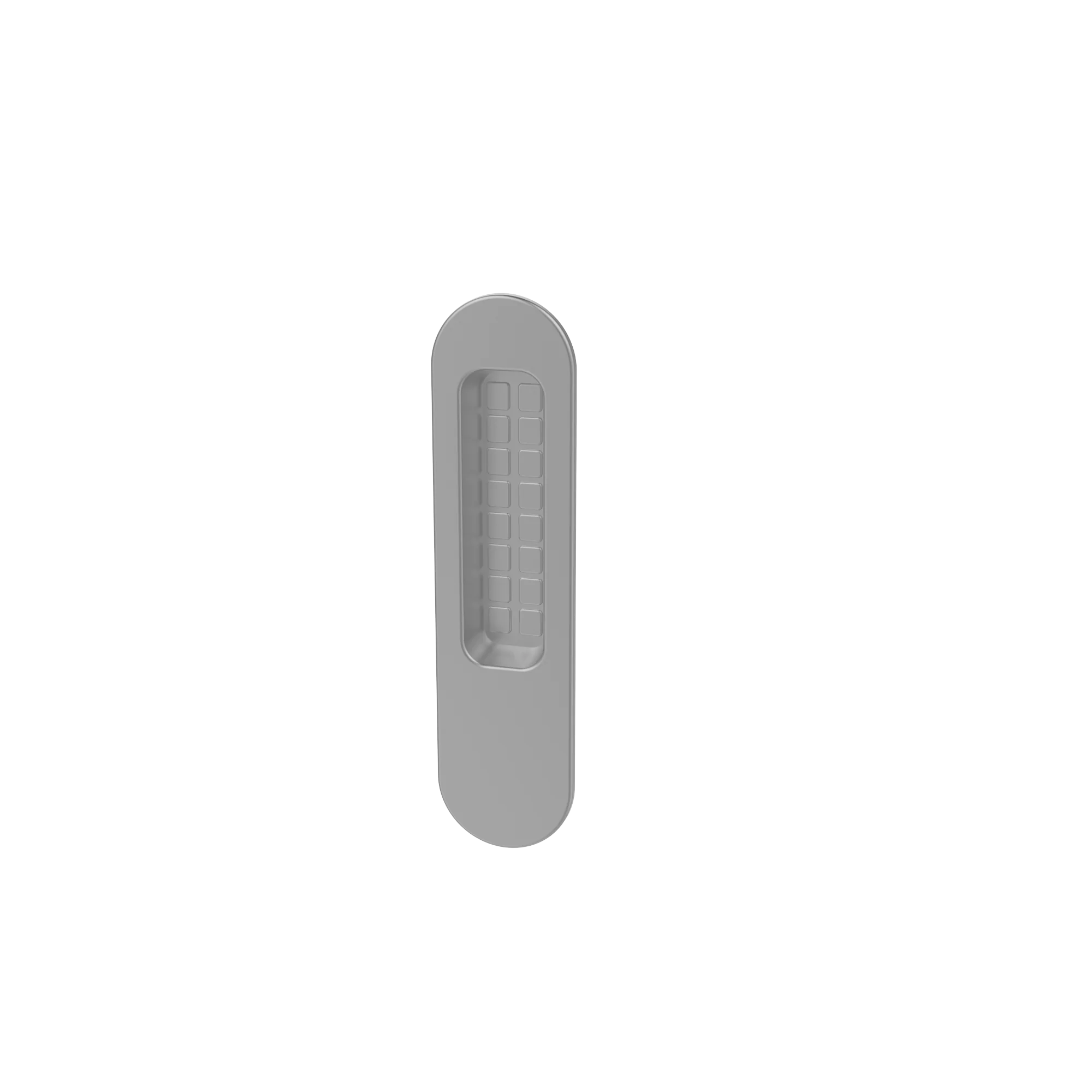


Lockable Window Handles and Child Safety: A Guide for Homes, Offices and Hotels
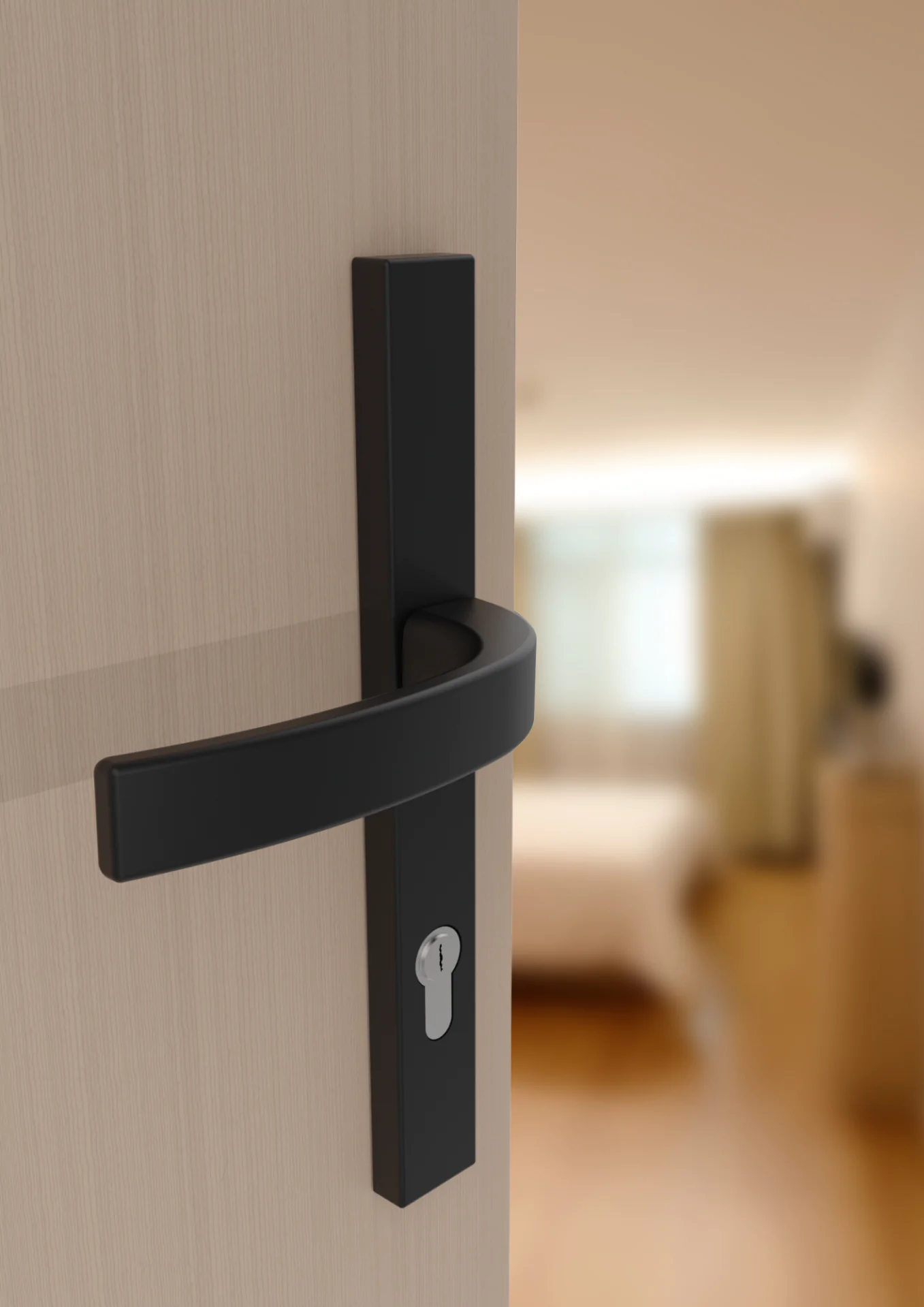
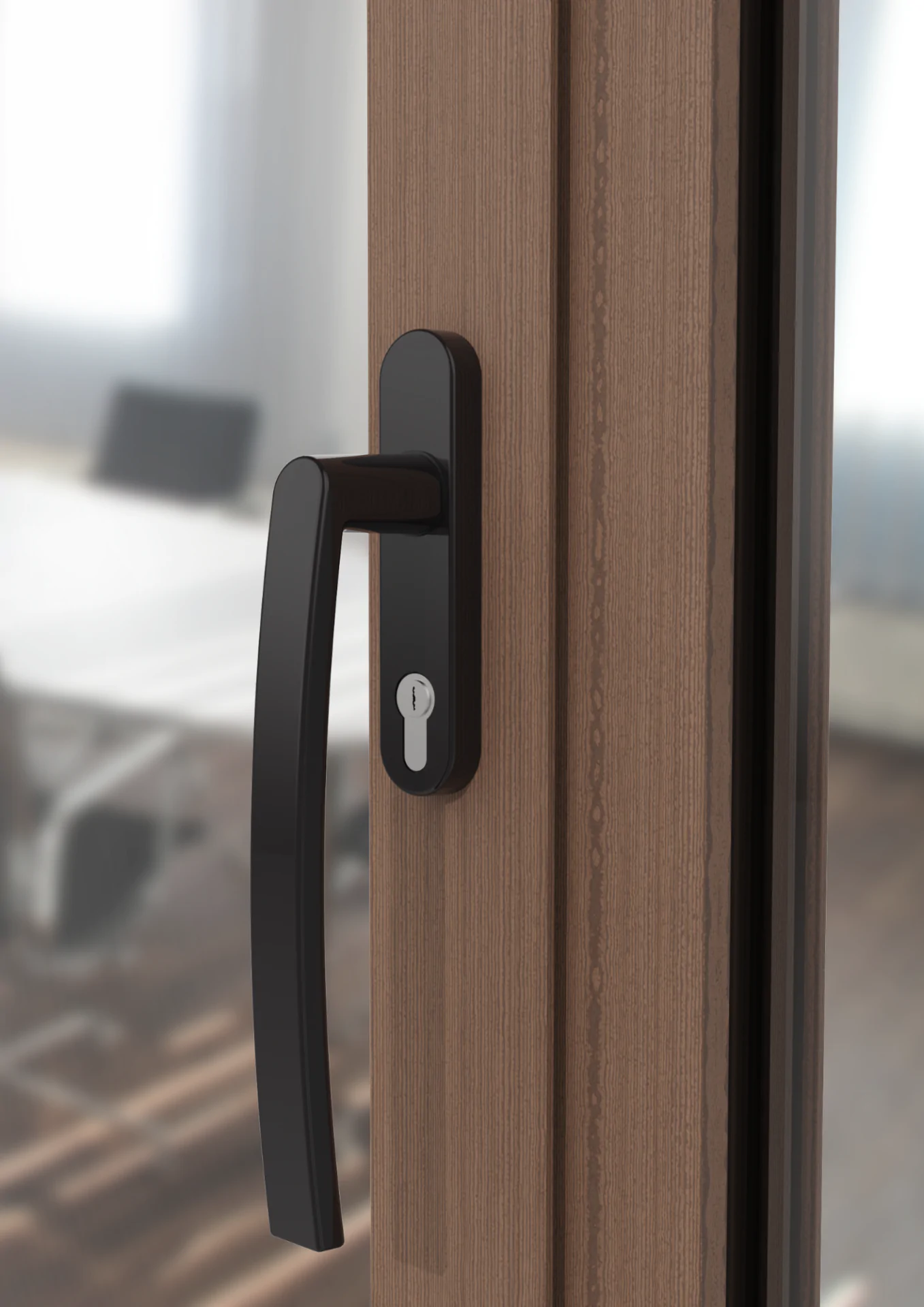
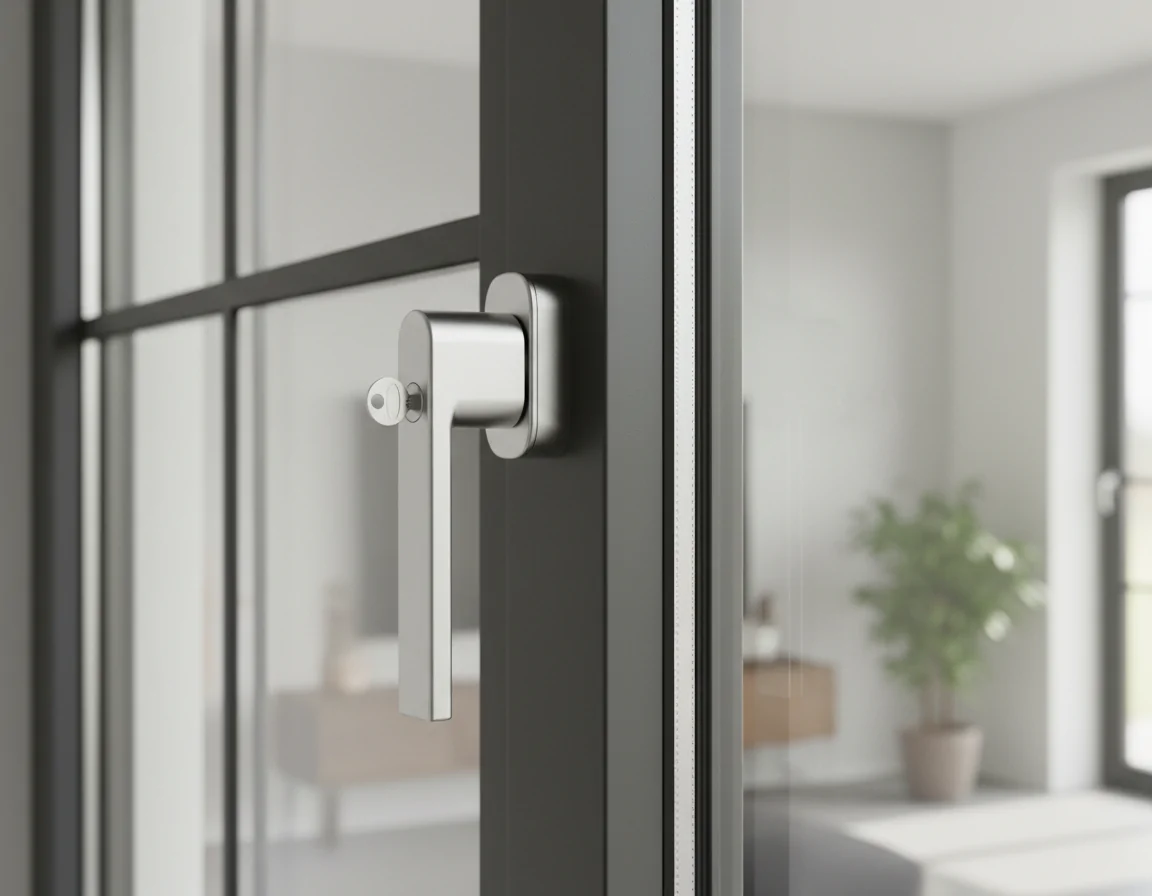
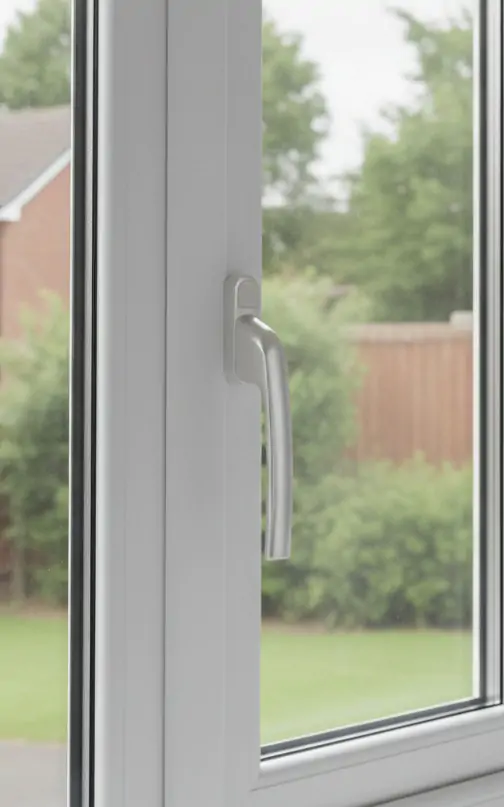
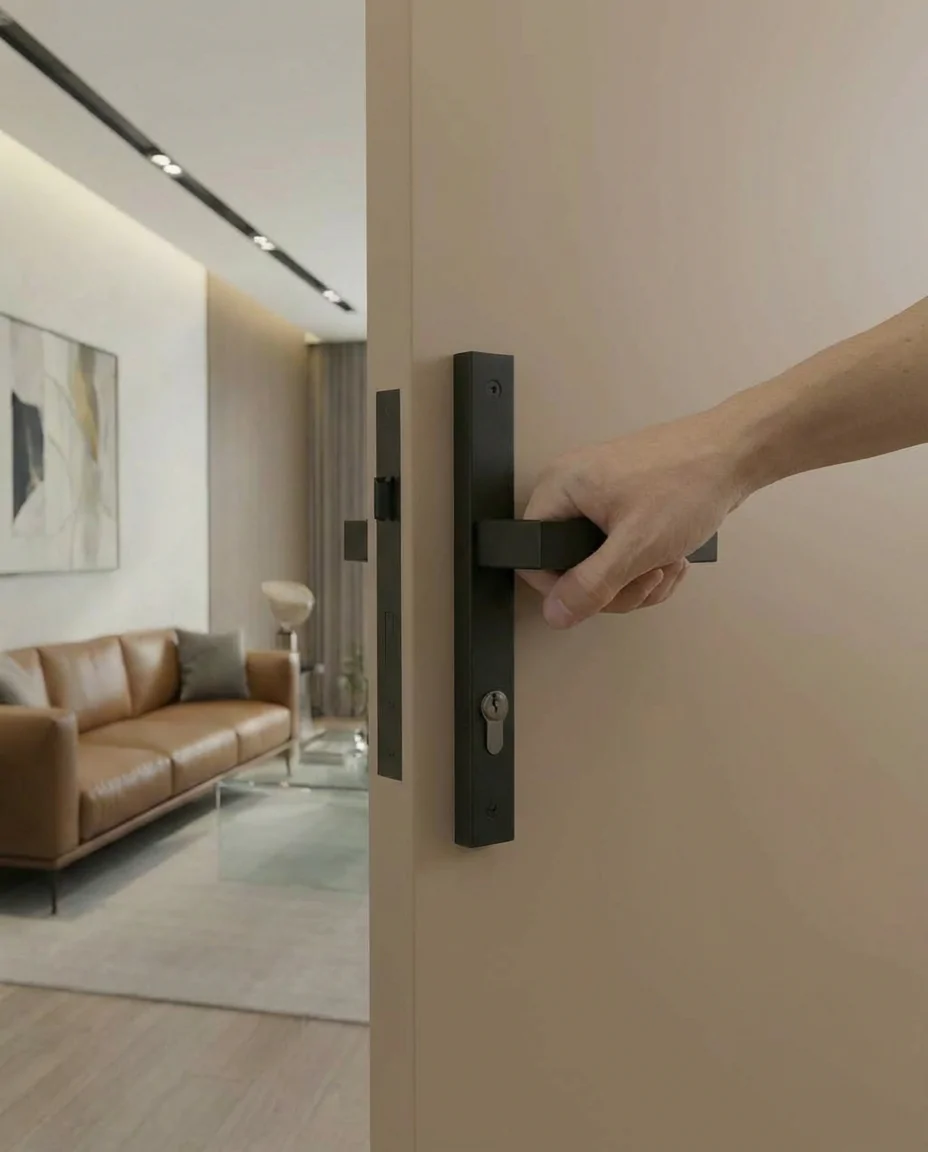
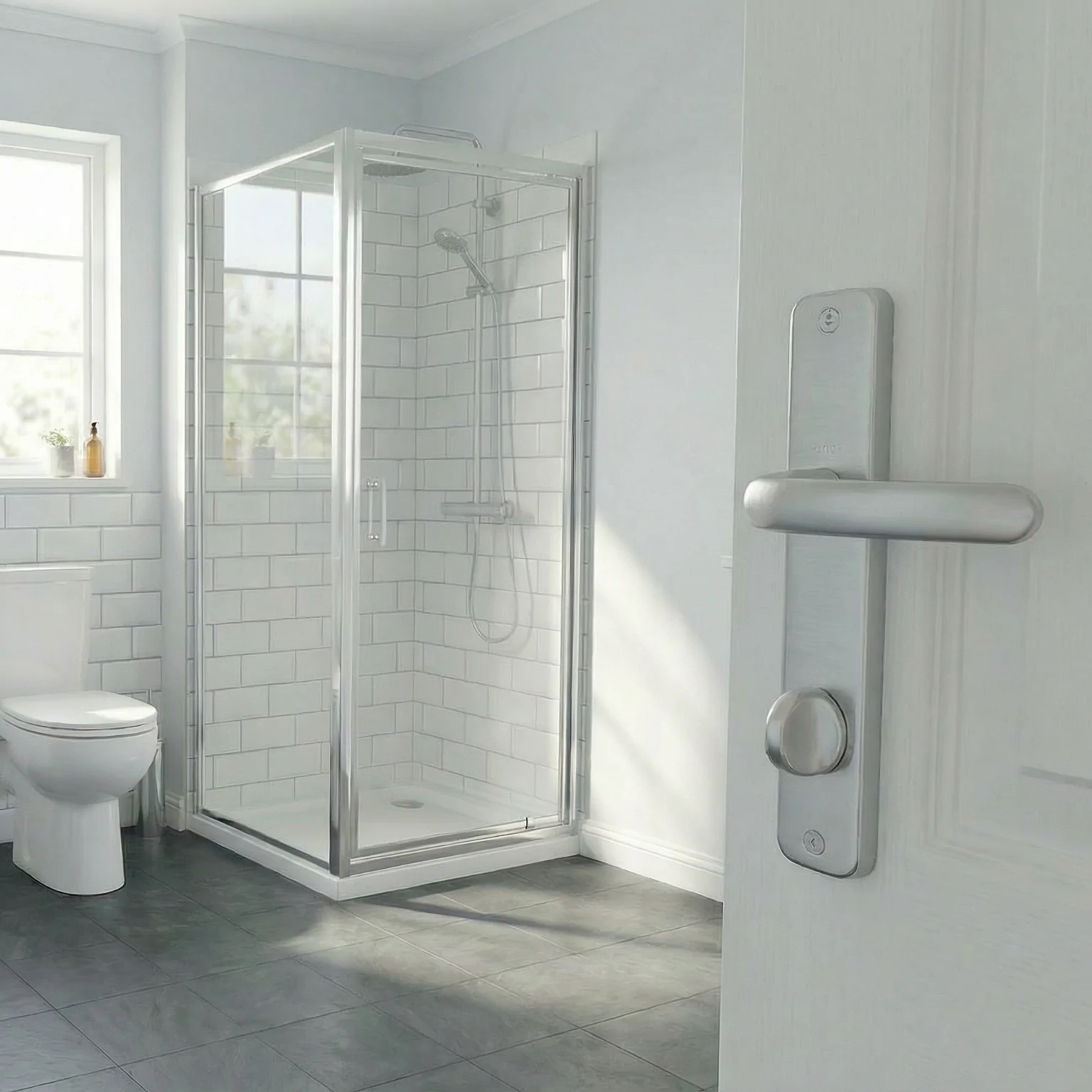
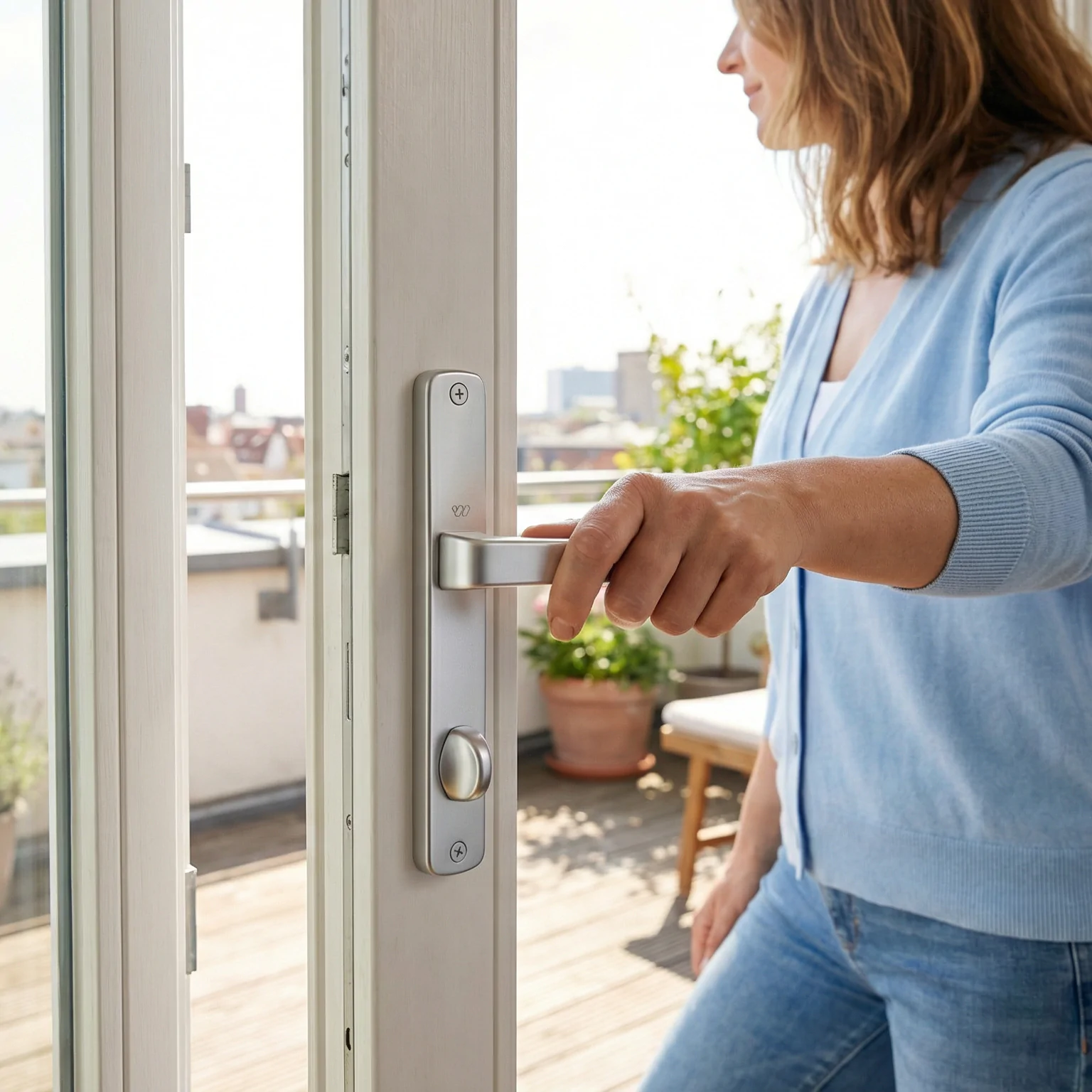
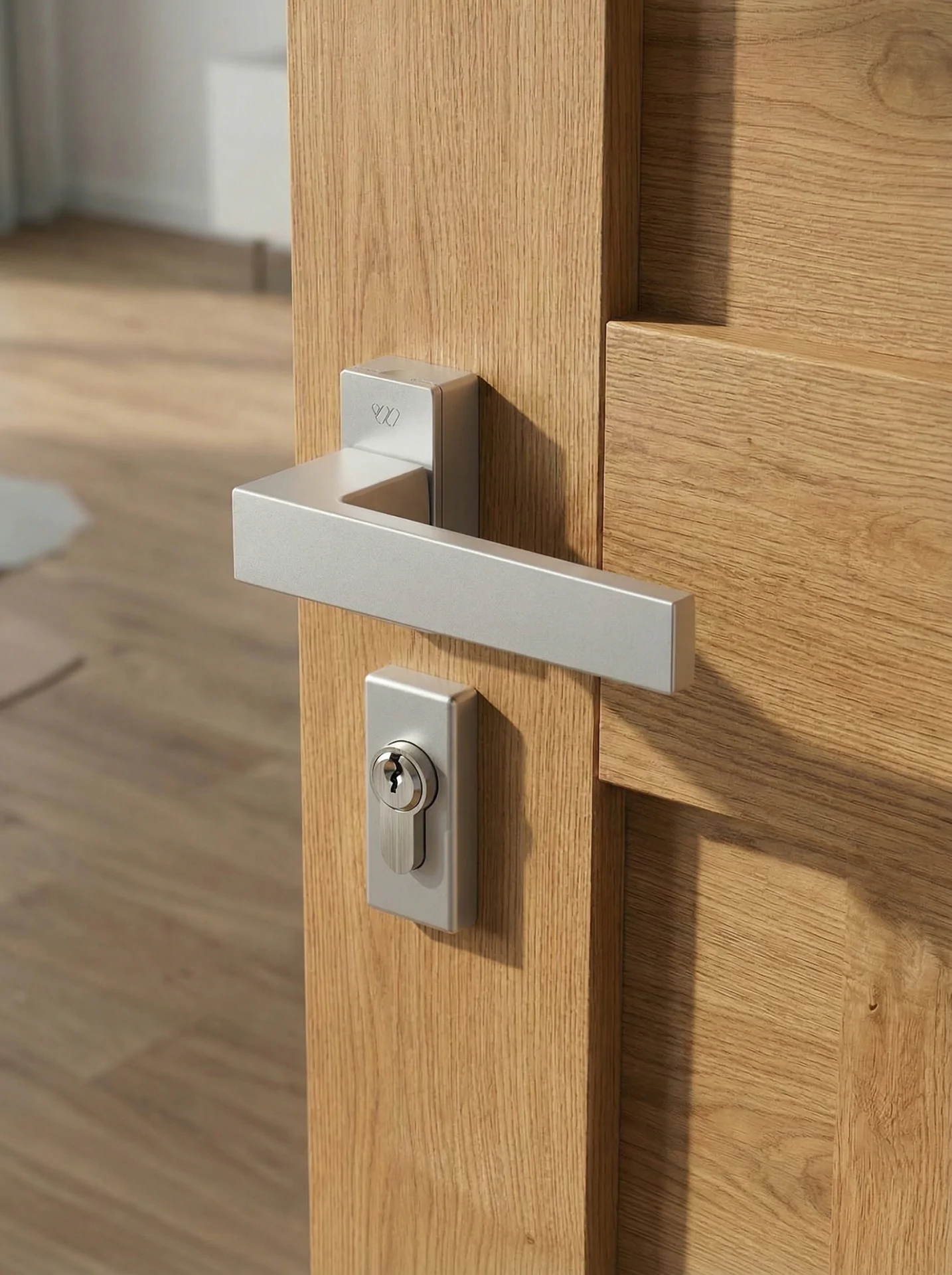
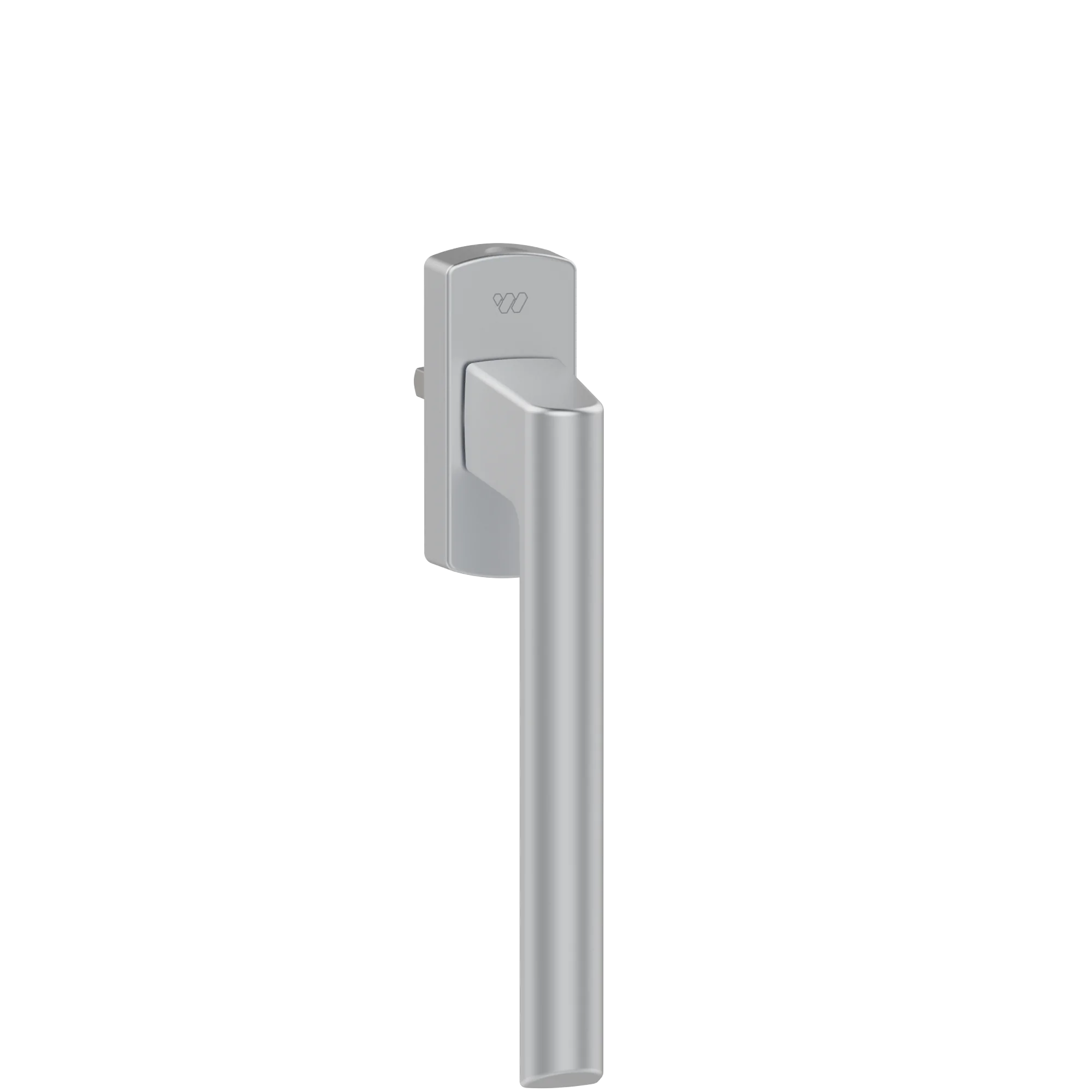
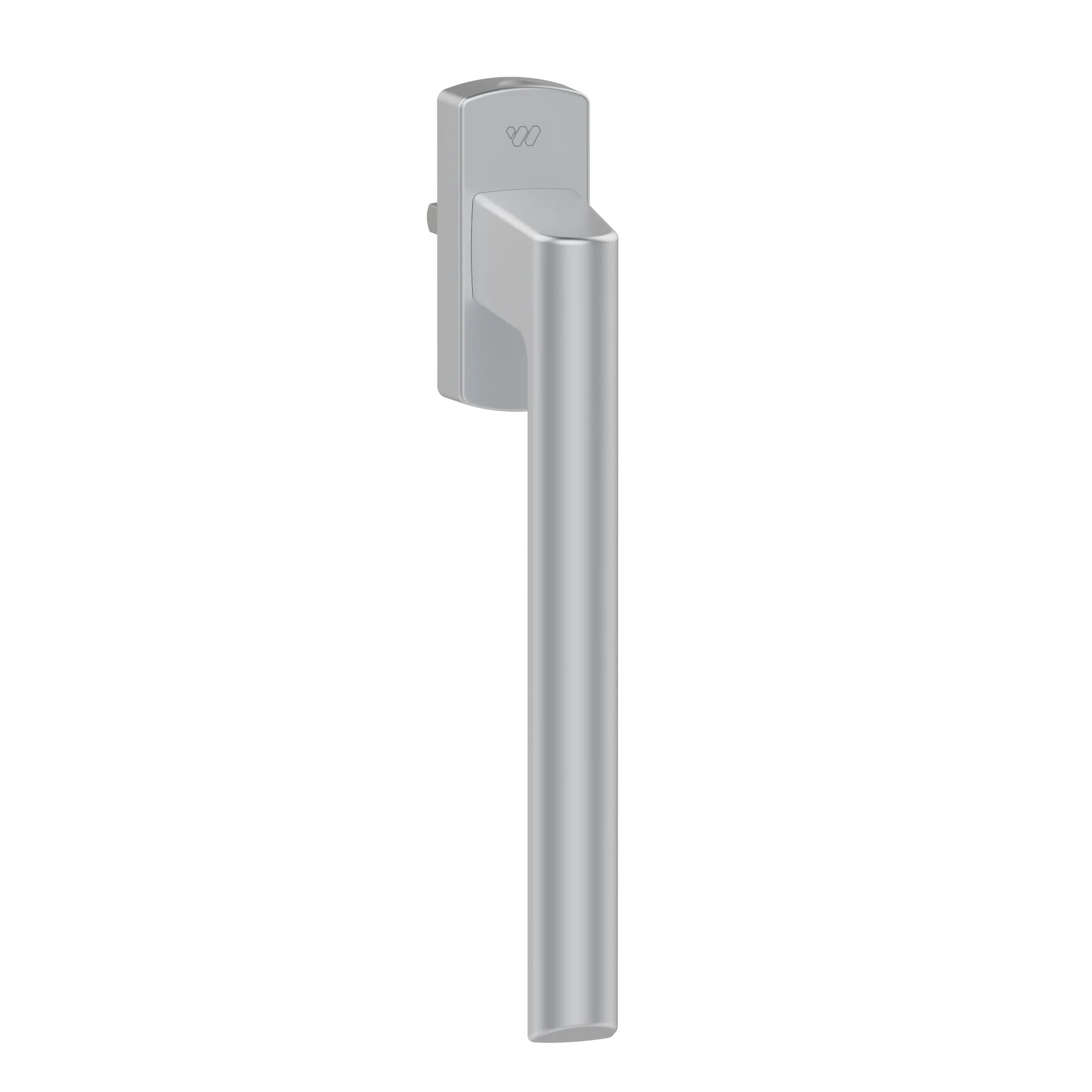
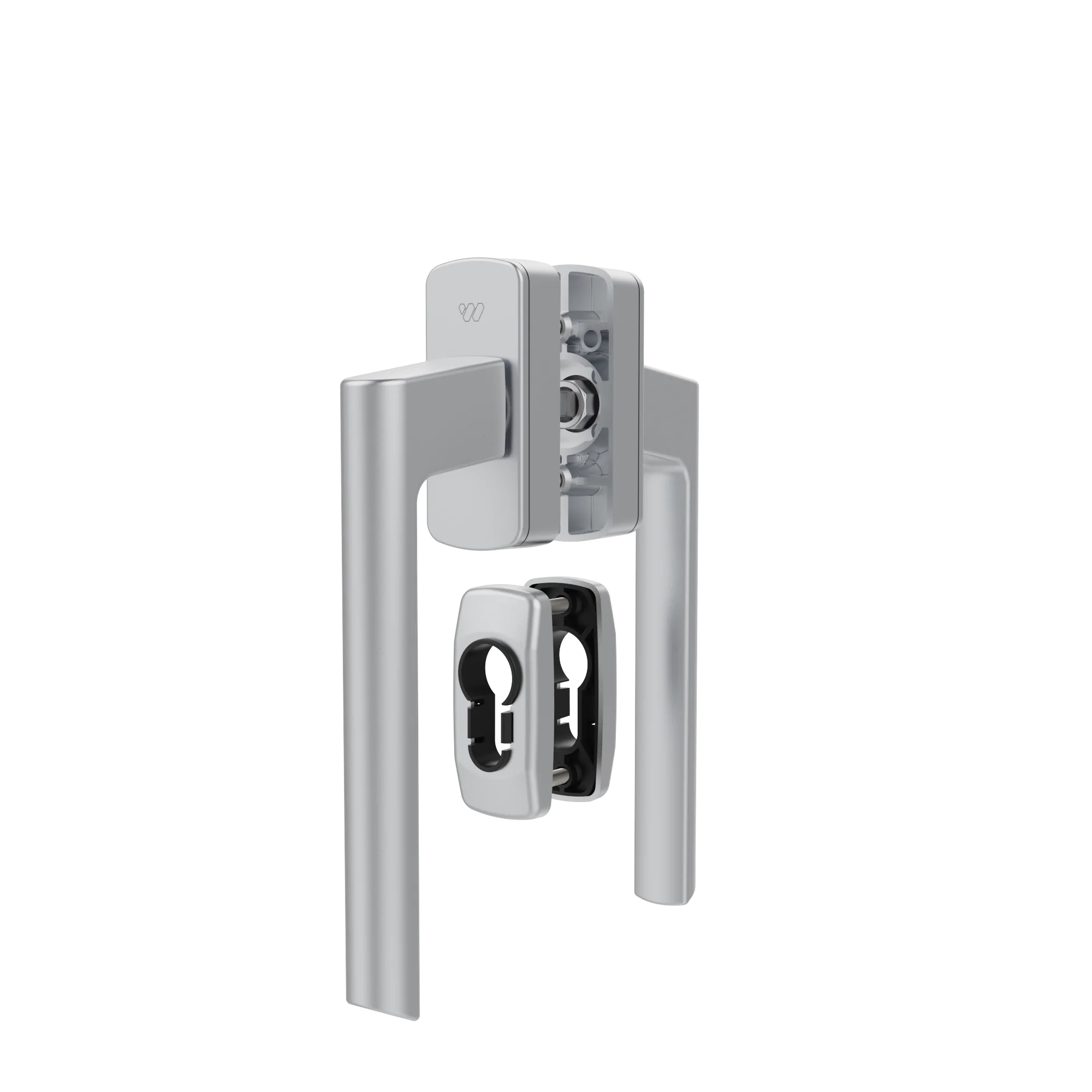
A lockable window handle is a window handle with an integrated key-operated lock. When it is locked, the handle cannot be turned, so the sash cannot be opened by anyone without the key. It is used in children's rooms, offices and hotels to control who can open a window and when.
How Does a Lockable Window Handle Work?
On PVC and aluminium windows, the handle drives the hardware around the sash. On a tilt-and-turn window, for example, the handle position determines whether the sash is closed, tilted or fully open. A lockable handle works the same way, but contains a small cylinder lock:
- The key is turned to lock the handle.
- While locked, the handle cannot be rotated and the hardware stays in its current position.
- Once unlocked with the key, the handle is used as normal.
The positions in which a handle can be locked and other operating details vary by model and are shown in the catalogue.
Where Are Lockable Handles Used?
- Homes: in children's rooms, living rooms and upper-floor windows, especially in households with small children, so that only adults open the window.
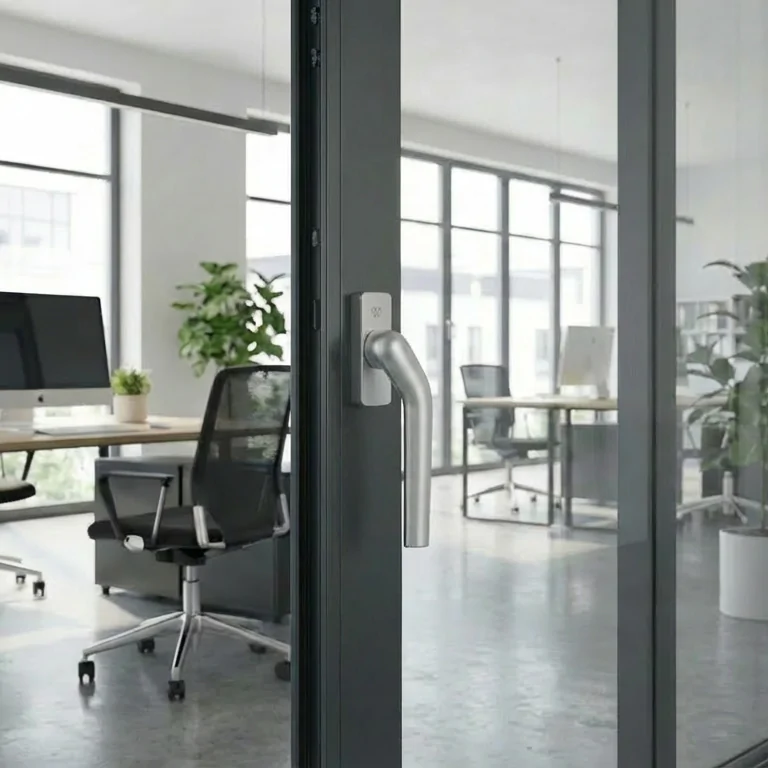
- Offices: to prevent windows being left open after hours, to support the climate control concept or to restrict access in certain rooms.
- Hotels and serviced apartments: to control how room windows are opened according to the operator's policy.
- Schools, nurseries and healthcare buildings: where windows should be opened only by authorised staff.
- Ground-floor and accessible windows: as an additional measure that makes turning the handle more difficult.
What to Check When Choosing a Lockable Handle
- Compatibility: the spindle length and fixing dimensions must match the window's profile system and hardware.
- Key management: in hotels and offices with many windows, plan in advance how keys will be issued and stored.
- Ease of use: adults need to open the window quickly, so the key should be easy for them to reach but out of children's reach.
- Consistent design: in one project, lockable and standard handles should look alike. Finishes and colours vary by model.
- Certified production: Windoform holds a TSE certificate for window handles and is certified to ISO 9001 and ISO 14001.
Is a Lockable Handle Enough on Its Own?
A lockable handle helps prevent uncontrolled opening, but it is not a safety guarantee by itself. For child safety, keeping climbable furniture away from windows, adult supervision and correctly functioning window hardware matter just as much. In commercial buildings, the choice of lockable handles should be aligned with the building's overall security and ventilation plan.
Windoform Lockable Window Handles
Windoform lockable window handles are part of the wider window handle range, which also includes the acoustic series (Tokyo, Belgrad, Atlas, Ege, Anka, Akdeniz, Asya, Parma), Zero, ABS, curved, axial and outward-opening handles. All products are made in-house at our factory in Torbalı, İzmir. Read more in our company profile.
Frequently Asked Questions
Can a lockable handle be fitted to an existing window?
In many cases the handle can be replaced, provided the spindle length and fixing dimensions match the existing hardware. Check the catalogue or ask our sales team for a suitable model.
What if the key is lost?
Contact a qualified installer or window fabricator. Planning key management from the start reduces problems, especially in buildings with many windows.
Is a lockable handle sufficient for child safety?
It is a useful measure that makes it harder for children to open a window, but it should be combined with supervision and a safe arrangement of the area in front of the window.
Can hotels order in project quantities?
Yes. For projects and volume orders, contact our sales team; dealers can also order through the B2B portal.
See all lockable handle models in the Windoform catalogues. Registered dealers can order via b2b.windoform.com. To choose the right handle for your project, call +90 232 854 70 00 or email info@windoform.com.tr.


