








Lift-and-Slide Handle or Classic Sliding Handle? Differences and Selection Table
On a classic sliding system, the sash moves along the track; the handle is used to pull and push the sash and, depending on the model, to lock it. On a lift-and-slide (Hebeschiebe) system, the handle operates the mechanism: when you turn the handle, the sash is lifted slightly, slid along the track, and lowered onto the seals when closed. The handles therefore perform different jobs and are usually not interchangeable. The table and scenarios below help you choose the right handle type for your project.
Short answer: what is the core difference?
- Role of the handle: On classic sliding doors the handle is a pull grip and provides locking on some models; on lift-and-slide systems the handle drives the lift-and-slide mechanism itself.
- Sash when closed: On classic sliding the sash rests on the track; on lift-and-slide it is lowered onto the seals and fixed in place.
- How to choose: Select the system (profile and hardware) first; then pick the handle that matches that system.
Comparison table
| Criterion | Classic sliding | Lift-and-slide (Hebeschiebe) |
|---|---|---|
| Operating principle | Sash slides on the track | Handle is turned; sash lifts and slides; closes onto seals |
| Role of the handle | Pull and push the sash; lock on some models | Operate the mechanism; lift, slide and lower the sash |
| When the sash is closed | On the track | Seated on seals, fixed |
| Windoform handle families | Jumbo, Mega, Delhi, Parisyen and handle sets | Atlas, Tokyo, Paris and Istanbul (standard and Flat) |
| Complementary hardware | Flush pulls and concealed handle | Lift-and-slide flush pulls (oval, square, slim) |
| Locking options | Model-dependent (e.g. barelli or non-barelli on Delhi) | Barelli or non-barelli |
| First question when choosing | Handle type (interior, set, flush pull or concealed), profile and look | Mechanism connection dimensions and profile system |
Classic sliding handles: which family for what?
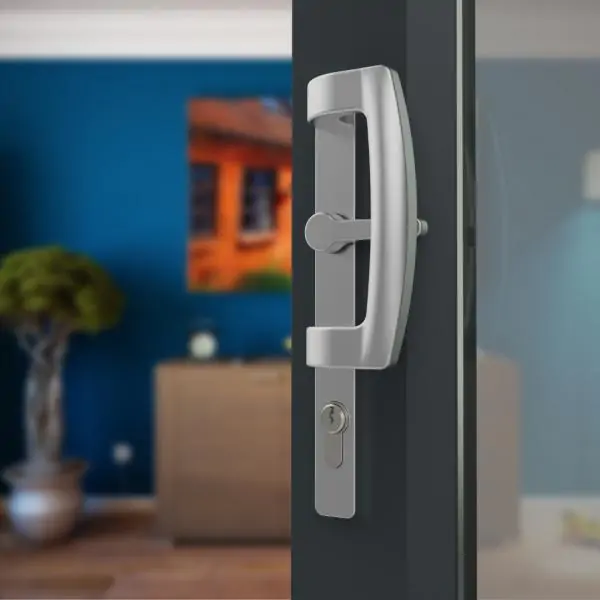
- Jumbo handles and Mega handles: sliding handles in series such as Atlas, Milano, Tokyo, Belgrad, Paris and Istanbul; PVC or aluminium profile depending on model.
- Delhi handles: for aluminium profiles, with barelli and non-barelli options.
- Parisyen handles: sliding handles for the Parisyen series.
- Handle sets: models supplied as sets (e.g. Lara, Milano, Ege, Istanbul, Atlas, Belgrad).
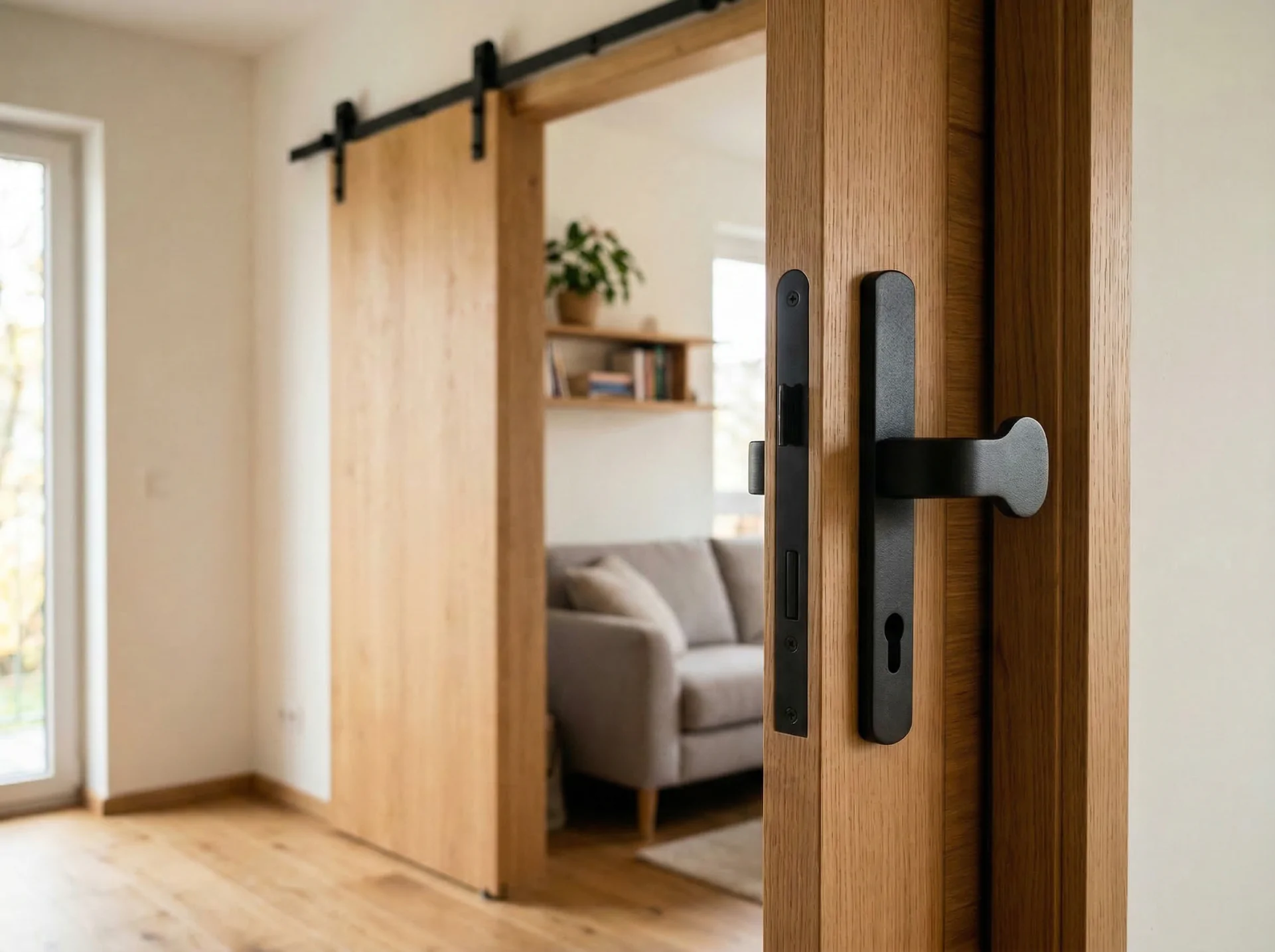
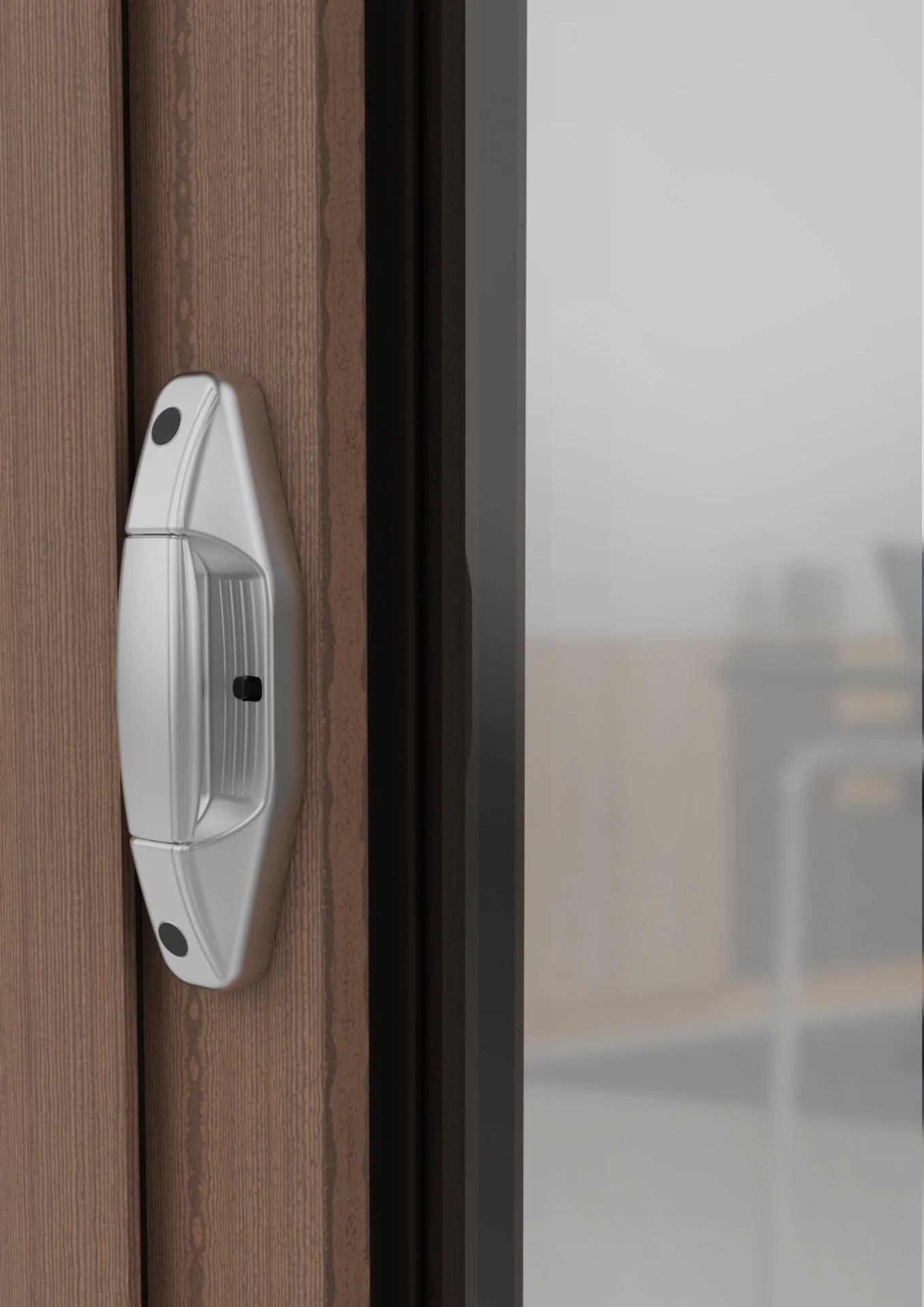
- Flush pulls and concealed handle: pull handles recessed in the profile face; often used where sashes overlap or on the exterior face.
Lift-and-slide handles: models and accessories
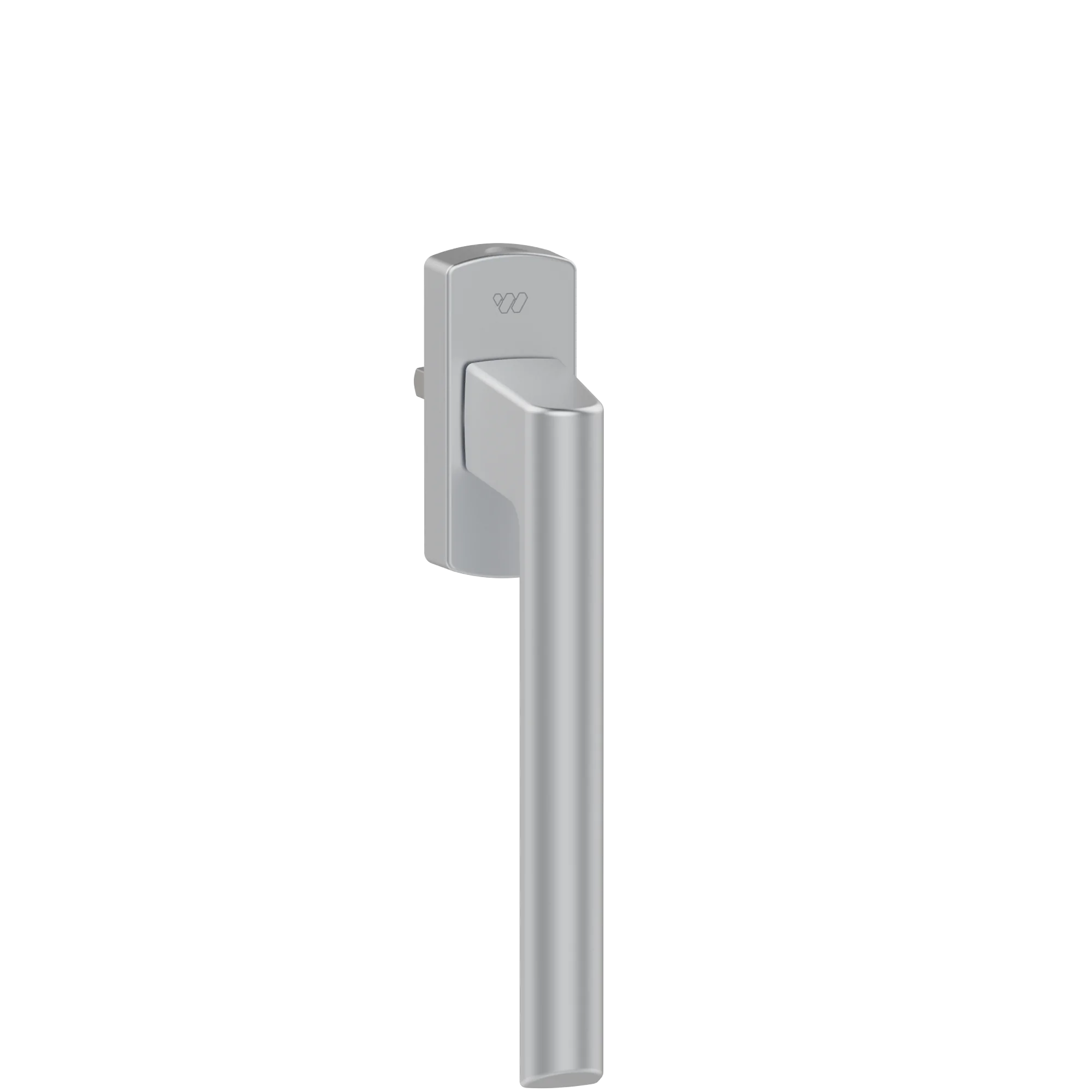
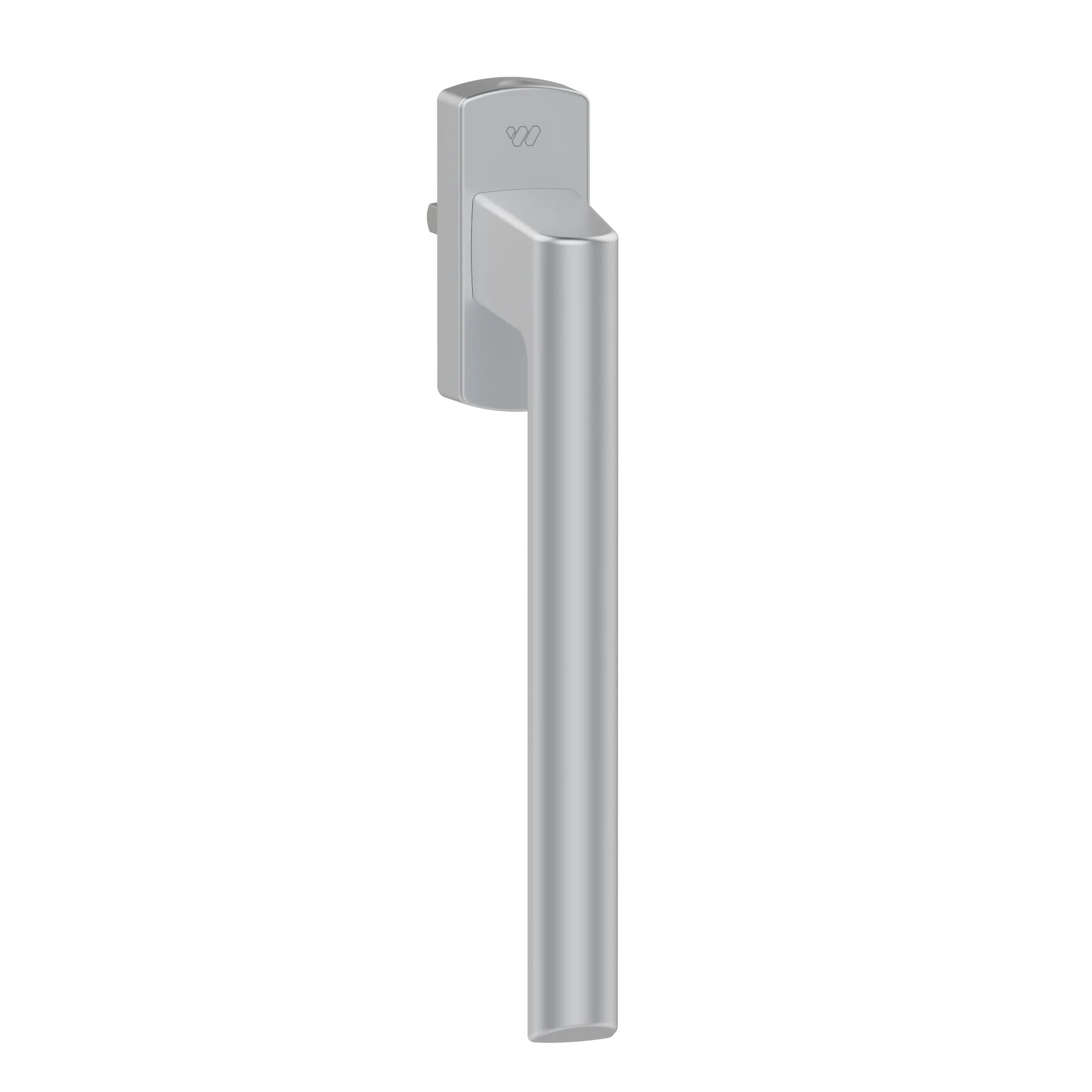
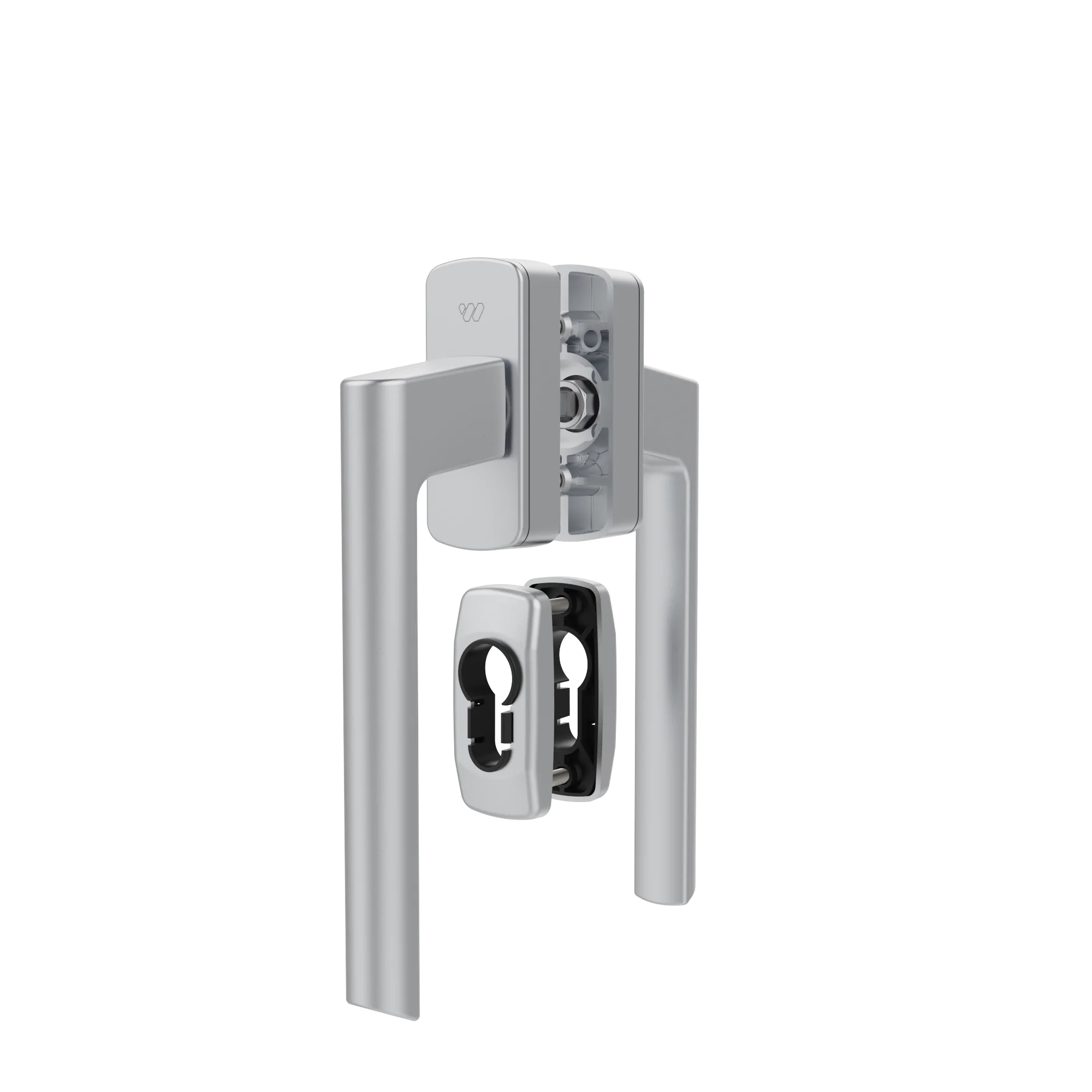
- Atlas, Tokyo, Paris and Istanbul series, each in standard and Flat versions, barelli or non-barelli: Atlas, Atlas Flat, Tokyo, Tokyo Flat, Paris, Paris Flat, Istanbul, Istanbul Flat.
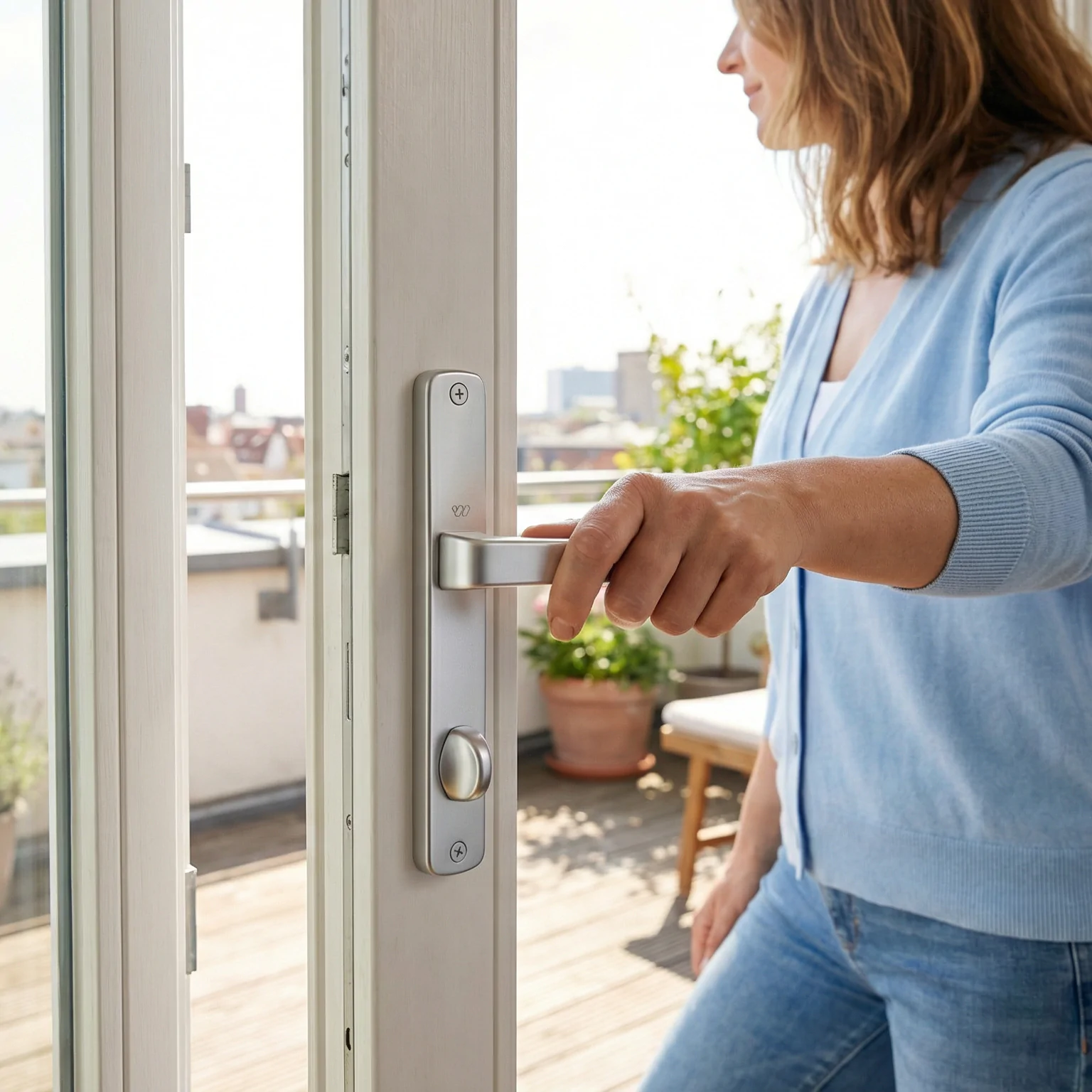
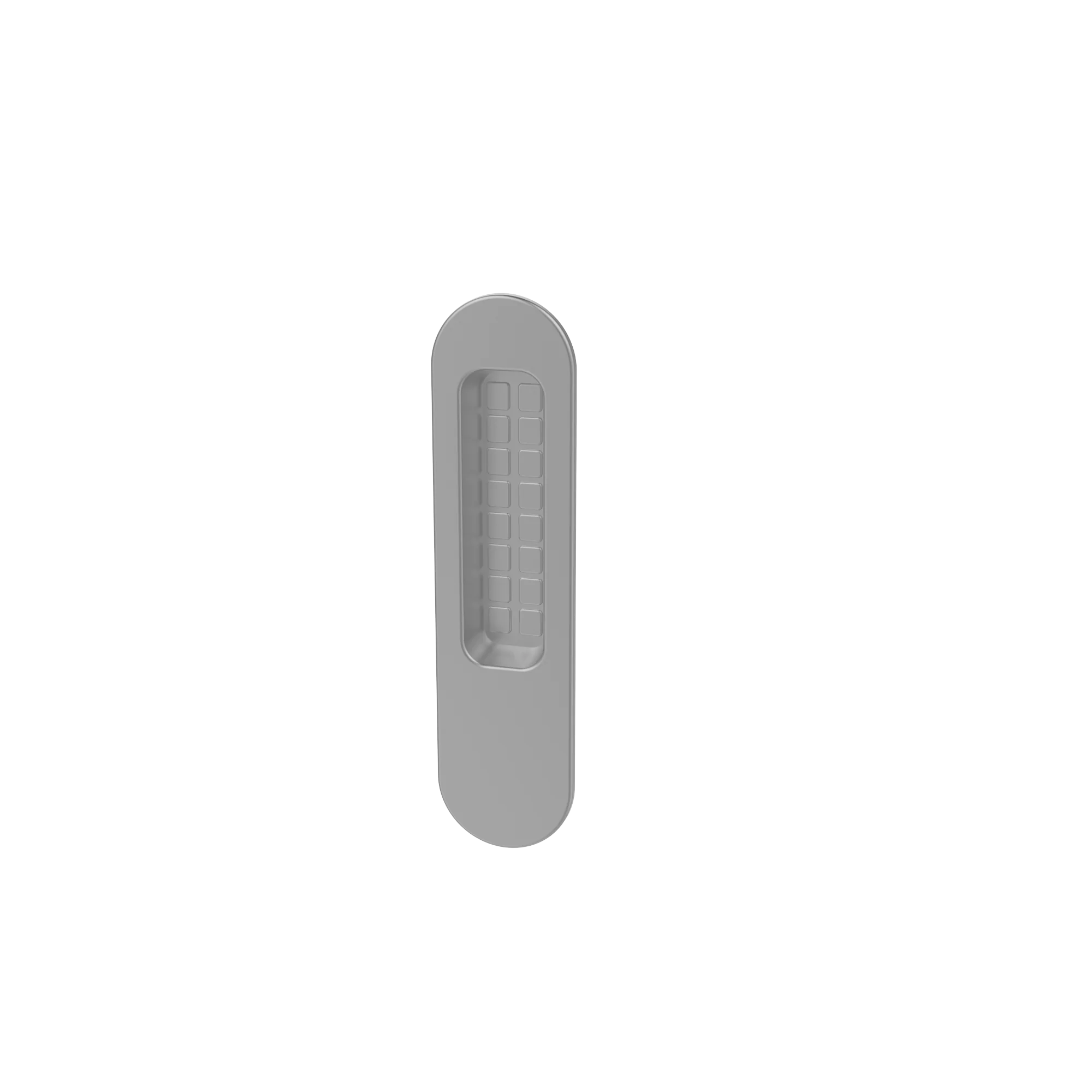
- Lift-and-slide flush pulls: oval, oval slim, square and square slim.
- Check dimensions on the product page technical drawing. How the system works and handle types: What is a lift-and-slide (Hebeschiebe) system?
Which system for which project?
| Scenario | Typical system | Handle / hardware | Note |
|---|---|---|---|
| Sliding door with overlapping sashes | Classic sliding | Flush pull or concealed handle | Non-protruding grip |
| Villa living room to garden, large glass sash | Lift-and-slide | Lift-and-slide handle and flush pull | Mechanism connection size |
| Balcony and terrace openings | Depends on system choice | Matching handle; flush pull on outer face | Profile type and cylinder need |
| Hotel, restaurant and café indoor–outdoor transitions | Depends on system choice | Matching handle and flush pull | Ergonomics under frequent use |
Choosing the system is the job of the profile / system supplier and the project team; this article explains handle selection once the system is fixed.
Handle selection checklist
- System type: classic sliding or lift-and-slide?
- Dimensions: mechanism connection sizes on lift-and-slide; profile and installation sizes on classic sliding
- Profile: PVC or aluminium? See "Application area" on the product page.
- Cylinder need: should the door lock with a key?
- Outer face: flush pull or handle set?
- Finish and colour: match the profile
Common mistakes
- Trying to fit a classic sliding handle to a lift-and-slide mechanism (or the reverse)
- Forgetting the exterior grip (flush pull)
- Choosing a protruding handle where sashes overlap
- Ordering without comparing connection sizes to the technical drawing
Frequently asked questions
Can a lift-and-slide handle be fitted to a classic sliding door?
Usually not. A lift-and-slide handle is designed to operate the mechanism that lifts and lowers the sash; classic sliding doors do not have that mechanism. Always choose the handle to match the door system type and the mechanism connection dimensions.
Which handle fits my existing lift-and-slide door?
Compatibility depends on the profile system and mechanism connection sizes. Share your current handle dimensions or mechanism details with our sales team; model-specific sizes are on the technical drawings on the product pages.
On which systems are flush pulls used?
On both. A flush pull sits recessed in the profile face and does not project; it is used where sashes overlap or as a grip on the outer face of the sash.
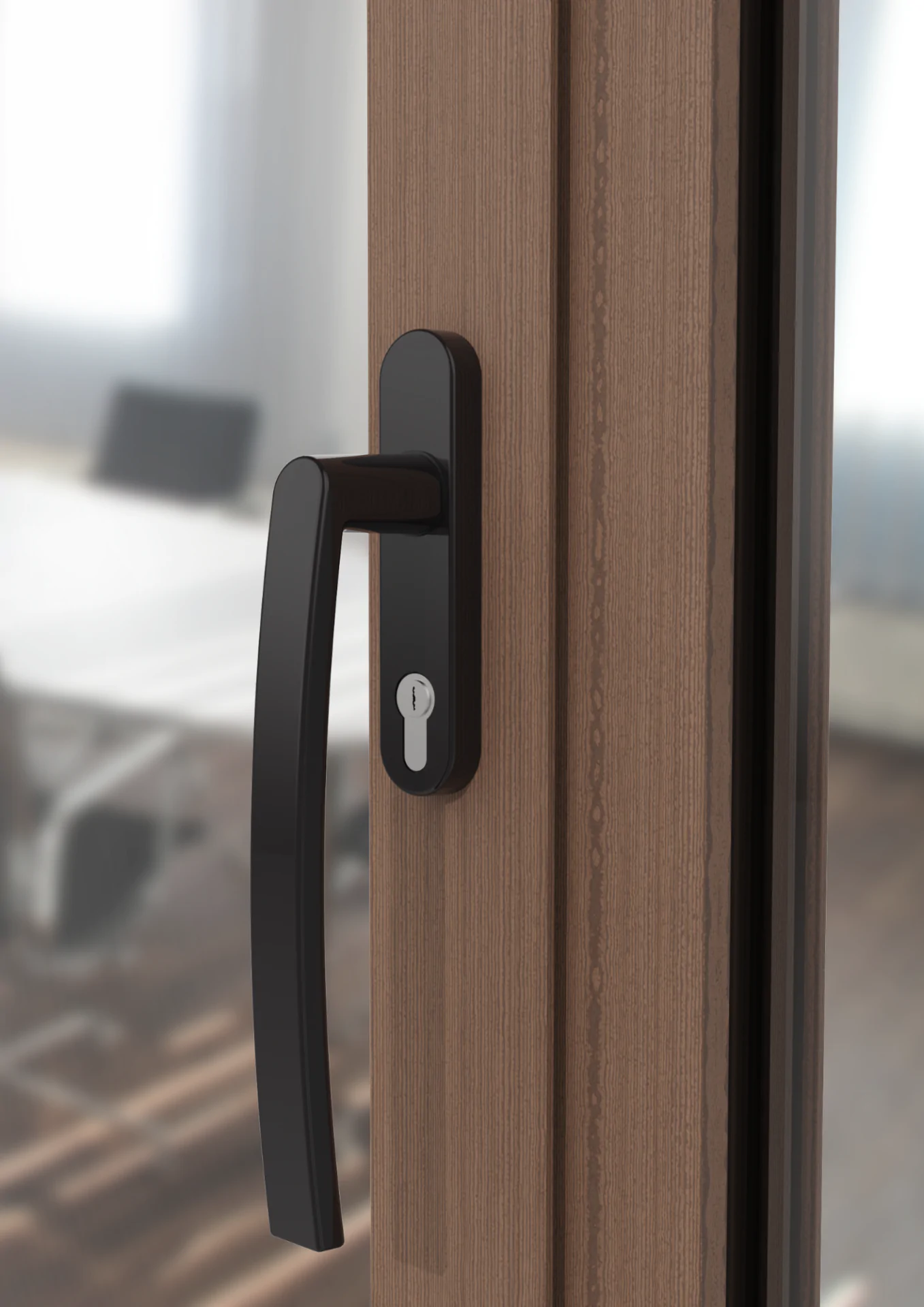
What is a barelli lift-and-slide handle for?
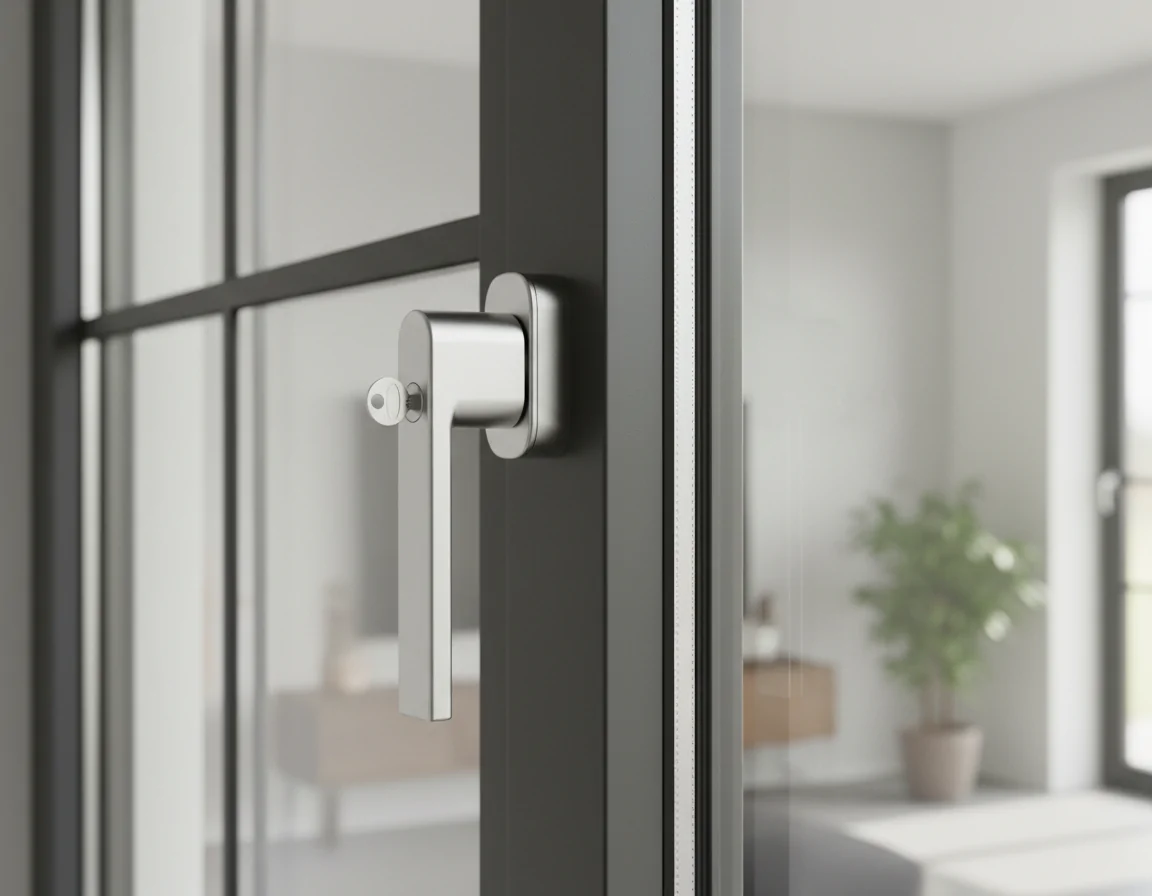
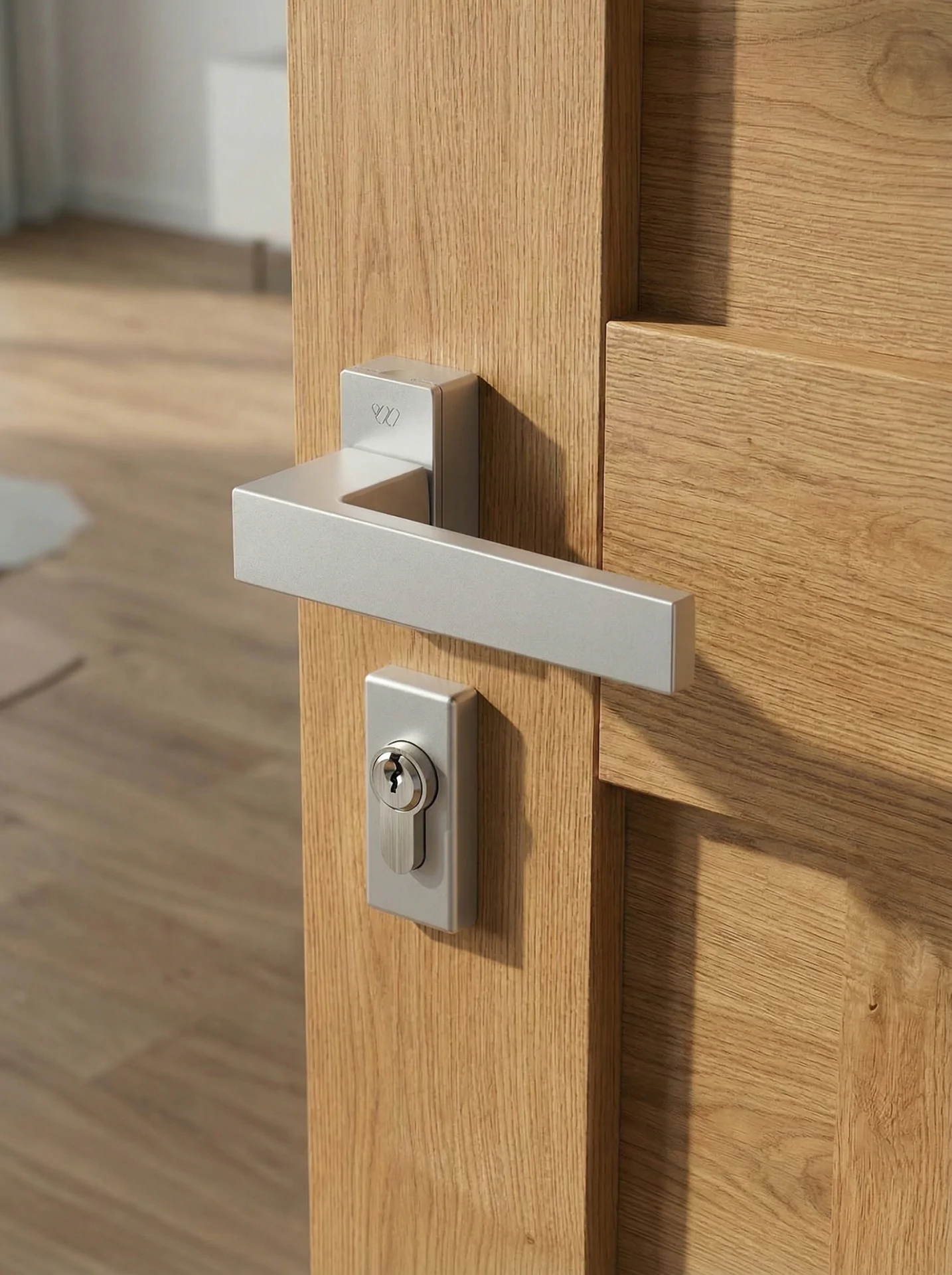
Barelli models have a cylinder hole in the rosette so the door can be locked with a keyed cylinder. Where key locking is not required, a non-barelli model is used.
Information to send for a quote
System type, mechanism connection details or technical drawing, profile (PVC / aluminium), number of sashes, colour and cylinder requirement. Browse models on Lift-and-slide handles and Sliding handles, download catalogs from Catalogs, or contact us for a quote. Dealers can place orders via the b2b.windoform.com B2B portal.


